
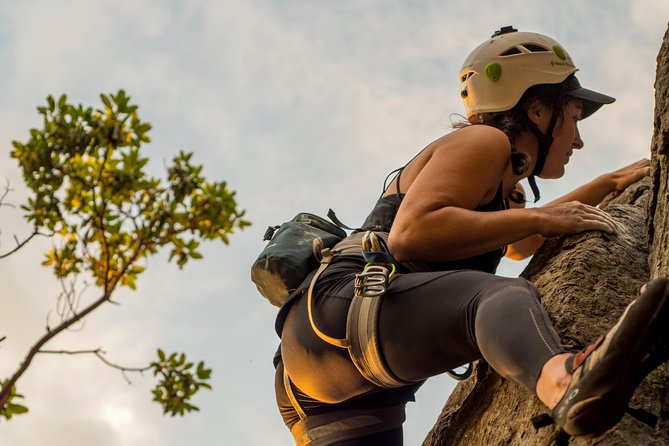
Reviewed · CLIMBING & RAPPELLING
Outdoor Rock Climbing Beginner or Intermediate at Mt Erie
Mt Erie turns a first climbing lesson into a full day outside, with real rock, forest trails, and views across the water. You learn more than how to pull yourself upward: the course covers knots, belaying, rappelling, catching falls, gear, and climbing technique.
I like the patient, safety-first instruction and the way the guide can adjust each climb to your comfort level. I also like the choice between a beginner and intermediate course, plus the chance to climb at Mt Erie, Little Si, or Mt Washington.
The main drawback is the weather. Rain cancels the activity, and the day includes a short uphill walk to the climbing area, so you need layers, sturdy clothing, and a moderate level of fitness.
In This Review
- Key points to know before you book
- Why this is more than a climb up a rock
- Starting at Mt Erie at 9 a.m.
- The first lesson: harnesses, knots, and trust
- Top-rope routes for steady progress
- Rappelling and the move toward harder skills
- A family-friendly activity with real physical demands
- What the $260 price includes
- Weather, timing, and the practical fine print
- Which course should you choose?
- Is Mt Erie Outdoor Rock Climbing worth booking?
- FAQ
- Where does the rock-climbing activity begin?
- What time does the experience start?
- How long does the climbing course last?
- What age can children start?
- Do I need previous climbing experience?
- What skills will I learn?
- Where might the climbing take place?
- Is transportation included?
- What happens if it rains?
Key points to know before you book
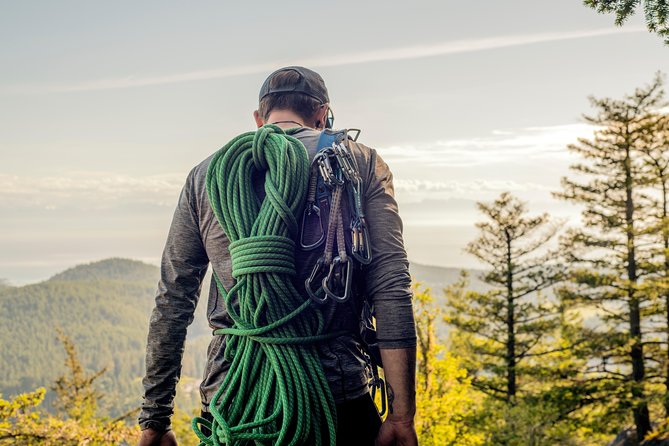
- A full eight-hour climbing day: This is not a quick introduction. You have time to learn, practice, climb several routes, and build confidence.
- Suitable from age seven: Families can take part, and the instruction can be adjusted for children, adults, and mixed-ability groups.
- Practical skills come first: You practice knots, belaying, rappelling, rope handling, safety checks, and fall catching.
- Top-rope climbing keeps the focus on learning: Routes are set up before you climb, allowing you to work on movement without managing a lead climb.
- Several climbing areas are possible: Mt Erie is the stated meeting point, while Little Si and Mt Washington may also be selected.
- Guide quality matters here: Clay, Leo, Cameron, and Zac are among the instructors associated with this experience, each noted for calm teaching and careful encouragement.
Why this is more than a climb up a rock
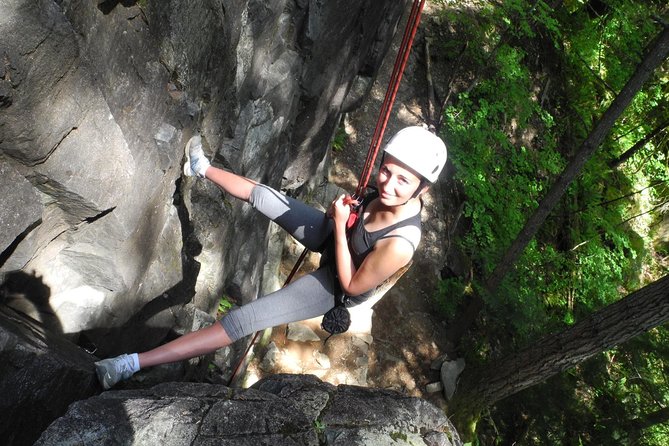
Indoor climbing is a useful starting point, but outdoor rock adds a new layer of work. The surface is uneven. The route is not painted in bright plastic holds. You must think about your feet, your balance, the rope, your partner, and the guide’s instructions at the same time.
That is why this course can be a smart next step after a climbing gym. You are not simply paying for a few attempts on a wall. You are learning the habits that make outdoor climbing possible, including how to tie and check knots, how to belay, how to respond to a fall, and how to handle a harness and rope.
The day is also designed for complete beginners. You do not need to arrive with a climbing résumé. The easiest routes can feel like climbing a playground, while stronger climbers can work toward more demanding terrain. That range makes the course useful for a family with different abilities or a pair of adults who want to try the sport together.
More climbing and rappelling near San Juan Islands:
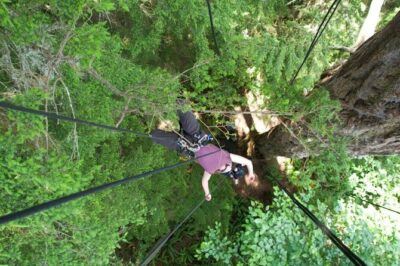
- Tree Canopy Climbing on Lopez Island
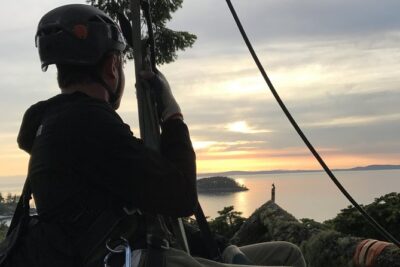
★ 5.0 · 112 reviews - Sunset Canopy Climb on Lopez Island
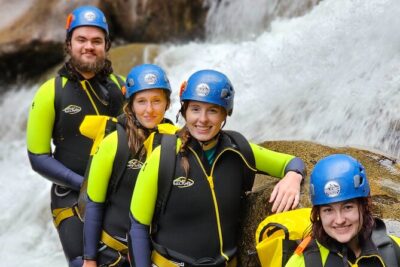
★ 5.0 · 4 reviews - Waterfall Rappelling Canyoneering Adventure + Photo Package!
★ 5.0 · 29 reviews
Starting at Mt Erie at 9 a.m.
The meeting point is Mount Erie in Anacortes, Washington, and the activity begins at 9 a.m. You return to the same general meeting point at the end of the day. Transportation to the mountain or between attractions is not included, so you need to arrange your own way there.
The named areas include AdventureTerra, Anacortes, Whidbey Island, the San Juan Islands, and Mt Erie Park. Treat these as part of the wider setting rather than a sightseeing route with scheduled stops at each place. The actual climbing base is Mt Erie, and the other locations help describe the region or possible climbing choices.
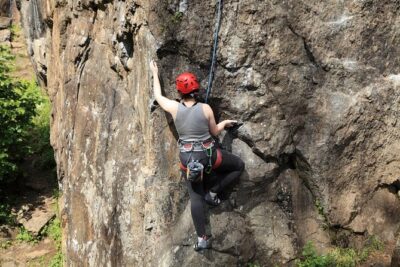
Mt Erie is a practical place for this type of lesson because the activity can focus on rock routes rather than a long summit hike. You should still expect a short uphill walk to reach the climbing area. The gear may already be set up when you arrive, but you will still spend time learning how it works and checking it carefully.
One useful detail from the instruction style is that safety checks are not treated as background paperwork. An instructor may have you check the rope system and each other’s gear before climbing. That is exactly the habit you want to take home.
The first lesson: harnesses, knots, and trust
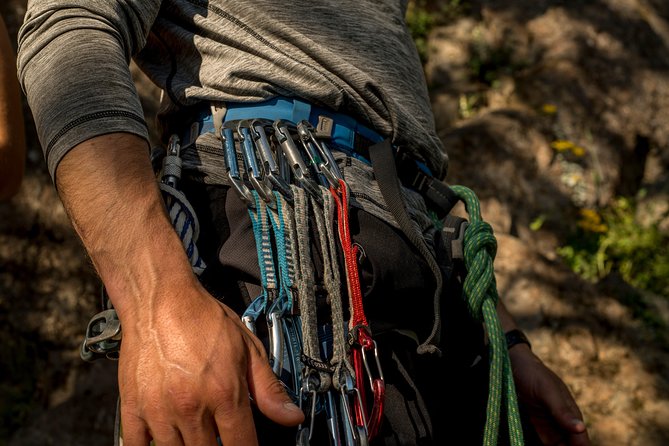
The opening part of the day is about making the equipment feel familiar. You will learn about the harness, rope, carabiners, climbing equipment, and the basic knots used in the system.
For a first-timer, this can be the most important part of the day. A harness may feel strange at first, especially when you lean back and allow the rope to hold your weight. Good instruction gives you time to sit into the harness, understand what is happening, and proceed only when you feel ready.
The guides associated with this course have included Clay, Leo, Cameron, and Zac. Their teaching styles are described as calm, positive, patient, and encouraging. That matters more than flashy instruction. Climbing asks you to trust both the gear and the person managing the rope, and a steady guide can make the difference between a tense day and a rewarding one.
The lesson also covers belaying, which is the rope-control skill required to protect the climber. If you already climb indoors, this part can help you prepare for an indoor gym’s belayer test. The course is not a guarantee that every gym will accept your skills without its own test, but it aims to give you the basic understanding and practice needed to take that next step.
Top-rope routes for steady progress
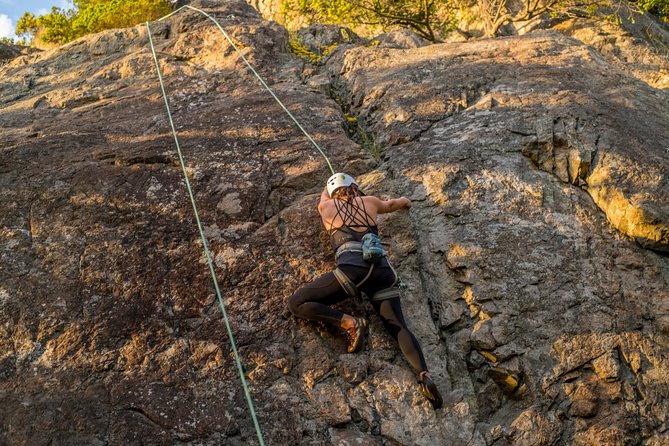
The climbing begins with top-rope routes. In this setup, the rope is arranged above the climb, giving the guide a controlled way to protect you while you work upward. It is a sensible format for a beginner course because you can focus on movement instead of leading a route.
Your guide can select routes that match your ability and comfort. A young child may begin on an easy section with frequent instruction, while an adult with indoor experience may work on more technical moves. The point is not to race to the hardest rock. It is to learn how your body works on real stone.
Expect coaching on foot placement, balance, body position, and how to conserve energy. New climbers often try to pull with their arms until their muscles complain. Outdoor instruction can help you use your feet and hips more effectively.
You may also practice what happens during a fall. This is not about throwing you into a frightening situation. The guide can introduce the feeling in a controlled way so you understand how the rope and belay system respond. One particularly useful teaching method described for a young climber involved the instructor intentionally taking a small practice fall, allowing the student to feel the system while belaying under supervision.
That sort of exercise helps turn fear into information. You learn what the rope feels like, how to stay attentive, and why communication matters.
Something different, still within San Juan Islands:
- Whale Watching from Friday Harbor
★ 5.0 · 780 reviews - Orcas Island Whale Watching
★ 4.5 · 442 reviews - Full Day San Juan Island Kayaking Adventure
★ 5.0 · 233 reviews - 3-Hour Sea Kayak Tour in the San Juan Islands
★ 5.0 · 82 reviews
Rappelling and the move toward harder skills
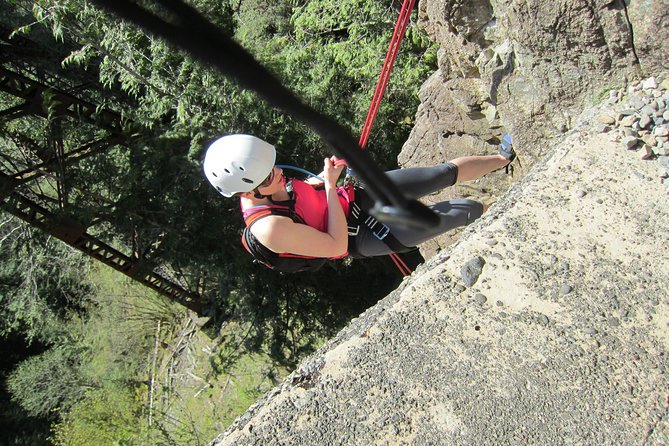
Rappelling is another major part of the course. It teaches you to descend with control while the rope supports your weight. For many first-time climbers, leaning back over an edge feels counterintuitive. A guide will explain the position and help you manage the descent step by step.
The course can progress toward more advanced climbing forms as the day continues. The exact progression depends on the group’s ability, weather, and confidence. Do not assume that choosing the intermediate option means a fixed list of advanced techniques. The program is customized, so the guide may spend more time on fundamentals if that is what the group needs.
Intermediate climbers can use the day to work on outdoor sport climbing or begin learning about traditional climbing skills. A private series of lessons may be better for someone who wants a detailed path into trad climbing, rather than trying to cover everything in one day. The course can provide a strong starting point, but one day cannot replace regular practice.
Mt Erie is useful for this kind of progression because it offers routes at different technical grades. That gives the guide room to change the challenge without sending you to a completely different area.
A family-friendly activity with real physical demands
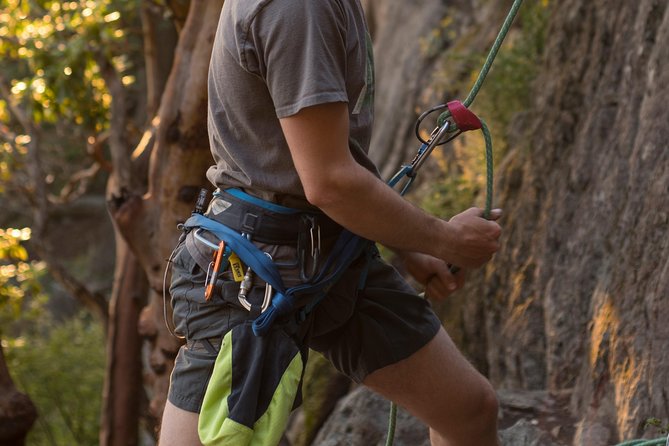
The minimum age is seven, and the course can work well for children who are comfortable with heights, instructions, and physical activity. A seven-year-old may enjoy the novelty of the harness and rope, while an older child or teenager may want to test several routes and learn more about the system.
Parents should remember that this is not a passive sightseeing day. Your child will need to listen, wait for safety checks, and manage a moderate physical effort. The guide can adjust the climbs, but the activity still involves an uphill approach, time on rock, and repeated climbing attempts.
Adults also need a moderate level of fitness. You do not need to be a gym climber, but you should be ready to walk uphill and use your arms, legs, and core for much of the day. Wear layers because mountain weather can change. The supplied information does not list a specific clothing or footwear requirement, so practical outdoor clothing and secure shoes are the sensible choice.
The experience can suit couples, families, and friends. It is particularly useful when one person is nervous and another is eager to climb, since the guide can work with each person at a different pace.
What the $260 price includes
The price is $260 per person for approximately eight hours. That is a serious spend for a day outside, but the value improves if you use the full teaching time.
The fee includes a professional guide, local taxes, and the environmental management tax. The equipment is described as provided for the climbing course and has been reported as being in good working order. Transportation, however, is not included, and gratuities for local guides are recommended.
I would compare this with the cost of piecing the day together yourself. You would need climbing equipment, an appropriate rope system, route knowledge, and enough outdoor experience to manage safety. A gym session is cheaper, but it does not provide the same setting or the same introduction to natural rock.
The strongest value comes from the small-group format and customization. The stated maximum is 15 people, while the course is described as using small private groups. Ask for clarification about your exact group size when booking if that point matters to you. A smaller group usually means more climbing time and more direct coaching.
There is also an optional photography service associated with the company. It is not included in the listed price, so treat it as an extra. If you want photographs of the climb, ask about availability and cost before the day begins.
Weather, timing, and the practical fine print
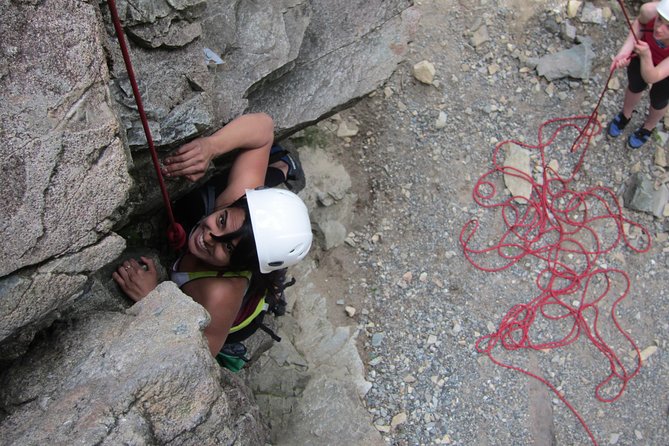
Rock climbing cannot operate in rain, so the forecast matters. The provider may cancel because of poor weather and offer you another date or a full refund. The same options apply if the minimum number of participants is not met.
For your own cancellation, you can receive a full refund if you cancel at least 24 hours before the start time. Cancellations or changes made within 24 hours are not refunded or accepted. The cut-off uses local time.
You receive confirmation at booking. Still, it is sensible to confirm the exact meeting details before setting out, especially if you are driving from another part of the region. You are responsible for reaching Mt Erie, and the activity finishes back at the meeting point.
Plan for a full day rather than a quick morning appointment. The start is 9 a.m., and the listed duration is about eight hours. Bring layers and be prepared for weather changes, an uphill approach, repeated climbing, and time spent standing around while other people climb.
Which course should you choose?
Choose the beginner course if you have never climbed outdoors, feel uncertain about harnesses and ropes, or want a careful introduction before joining a gym’s belay test. It is also the best fit for families and adults who want to try climbing without committing to a more technical program.
Choose intermediate if you already have indoor climbing experience or understand the basic climbing system and want to work on outdoor technique. You should still expect a review of safety basics. Outdoor rock is different enough that indoor confidence does not automatically equal outdoor readiness.
If you are an experienced climber hoping to learn sport or traditional climbing in depth, consider asking about a private lesson or a series of lessons. The experience can introduce those skills, but the supplied information does not promise a complete certification or a fixed advanced curriculum.
Is Mt Erie Outdoor Rock Climbing worth booking?
I would book this if you want a real introduction to outdoor climbing, not just a short turn on a wall. The eight-hour format, supplied gear, top-rope setup, and personal coaching give you time to build confidence properly.
It is especially appealing for families with children age seven and up, first-time adults, and indoor climbers ready to learn outdoor systems. The calm teaching style associated with guides such as Leo, Clay, Cameron, and Zac is another reason to feel comfortable booking.
I would hesitate if you dislike uncertain weather, are looking for a sightseeing tour with included transportation, or want a quick and inexpensive activity. For everyone else, Mt Erie offers a useful first step into climbing, with enough variety to make the day feel like more than a basic lesson.
FAQ
Where does the rock-climbing activity begin?
The meeting point is Mount Erie, Mt Erie, Anacortes, Washington 98221, USA.
What time does the experience start?
The activity starts at 9 a.m.
How long does the climbing course last?
The course lasts approximately eight hours.
What age can children start?
The minimum age is seven.
Do I need previous climbing experience?
No. You can choose a beginner course if you are trying outdoor climbing for the first time. An intermediate option is available for people with more experience.
What skills will I learn?
The course covers belaying, rappelling, catching falls, climbing technique, climbing equipment, rope handling, and knots.
Where might the climbing take place?
The possible climbing areas include Mt Erie, Little Si, and Mt Washington. Mt Erie is the stated meeting point.
Is transportation included?
No. Transportation to and from the attractions is not included. The activity ends back at the meeting point.
What happens if it rains?
The activity cannot operate in rain. If poor weather causes cancellation, you can choose another date or receive a full refund.
Just added around San Juan Islands
- San Juan Island: Full Day Kayaking Tour with Lunch★ 4.3 · 3 reviews
- Cafes and Kayaks: Full Day Kayaking Adventure on Orcas Island★ 5.0 · 3 reviews
- Sunset Canopy Climb on Lopez Island★ 5.0 · 4 reviews
- Orcas Island Bioluminescence Kayaking Tour★ 5.0 · 5 reviews
- Anacortes: Full Day Whale/Wildlife Tour; Friday Harbor Stop★ 5.0 · 5 reviews
- Orca whale tour from Orcas Island★ 5.0 · 11 reviews
- 2-Day Fully-Catered Kayak Camping Trip in the San Juan Islands★ 4.5 · 14 reviews
- Half Day Sail Orcas Island★ 5.0 · 15 reviews
Climbing & Rappelling, compared.
Waterfall Rappelling Canyoneering Adventure + Photo Package!
Read our review →
Browse the lists this tour appears in