
Reviewed · CLIMBING & RAPPELLING
Mount Baker Climb Tour from Washington
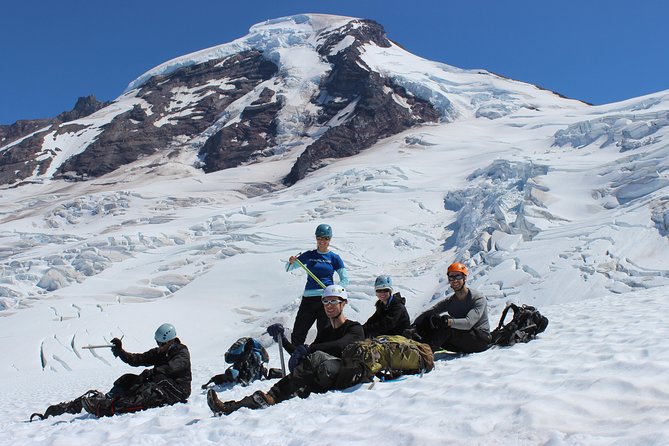
Mount Baker is not a walk with a dramatic final staircase. It is a real glacial climb, with crevasses, seracs, route-finding, rope travel, and cold-weather camping. Over three days, Miyar Adventures takes you into Mount Baker-Snoqualmie National Forest and uses the mountain as a practical classroom.
I like two things right away: the guide-led instruction gives strong hikers a sensible first step into mountaineering, and the price includes tents, permits, stoves, and group climbing gear. The pre-trip gear check is another smart touch. The main catch is simple: summiting is never guaranteed. Weather, visibility, and glacier conditions can force a safe retreat, and the tour is non-refundable if you cancel.
In This Review
- Key points to know before booking
- Why Mount Baker is a serious first climb
- Day one: Seattle, the trailhead, and your first mountain lessons
- Choosing between Easton Glacier and Coleman-Deming
- Base camp: cold-weather practice with a practical purpose
- Summit day: icefalls, crevasses, and route decisions
- The guides and the value of instruction
- What the package includes, and what it leaves to you
- Fitness, preparation, and the right kind of confidence
- Weather, failed summits, and the non-refundable booking
- Who should book the Mount Baker climb
- Should you book it?
- FAQ
- Where does the Mount Baker climb start?
- How long does the Mount Baker climb last?
- Which route will the climb use?
- Is transportation from Seattle included?
- Are tents included?
- Is climbing equipment included?
- Are permits included?
- Are meals and snacks included?
- How many people can join the tour?
- Can the summit attempt move to another day?
Key points to know before booking
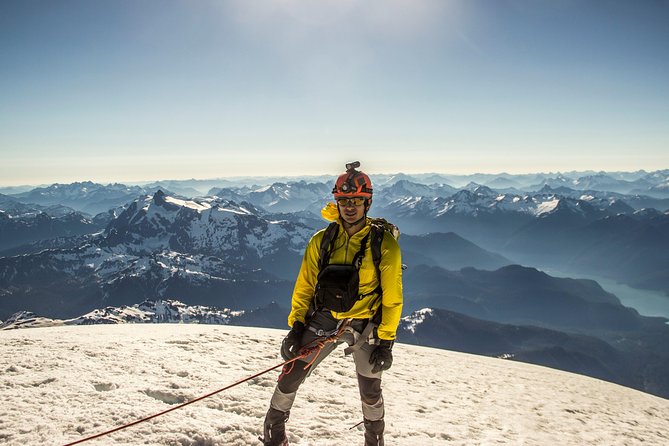
- This is a true mountaineering course: You learn crampon use, ice axe self-arrest, rope-team travel, knots, and glacier safety while climbing.
- The route can change: Guides may use the Easton Glacier or Coleman-Deming route, depending on conditions.
- The summit day is flexible: Poor weather may move the summit attempt to day two, with a later hike out on day three.
- Group size is capped at 15: That keeps the operation manageable, though your actual rope team and guide assignment matter most.
- Much of the expensive group gear is included: Tents, stoves, cooking kits, permits, and climbing equipment are covered.
- You bring the food and transport: Meals, snacks, hot drinks, guide tips, and travel from Seattle are extra.
Why Mount Baker is a serious first climb
Mount Baker is a good place to begin mountaineering only if you already have a solid hiking base. The trip is aimed at experienced hikers who want to learn glacier travel, not at casual walkers looking for a strenuous weekend outing.
The mountain gives you a useful progression of skills. You may begin with packing and equipment choices, then practice walking with crampons, using an ice axe, tying knots, and staying connected as part of a rope team. Later, those skills become practical tools for moving through icefalls and around crevasses.
That setting matters. You are not sitting in a classroom memorizing safety steps. You practice on snow and ice, with guides assessing hazards and showing you how route decisions are made. The goal is not just to reach Mount Baker’s summit. It is to leave with enough experience to join more demanding Cascades climbs, such as Mount Shuksan or harder routes on Baker.
Still, you should not mistake instruction for a guarantee of independence. Glacier travel has real risks, and you remain part of a guided group throughout the climb. The course can prepare you for future trips, but it does not turn a first-time mountaineer into a fully independent alpinist in three days.
More climbing and rappelling near Seattle:
- Tree Canopy Climbing on Lopez Island
★ 5.0 · 112 reviews - Waterfall Rappelling Canyoneering Adventure + Photo Package!
★ 5.0 · 29 reviews - Outdoor Rock Climbing Beginner or Intermediate at Mt Erie
★ 5.0 · 8 reviews
Day one: Seattle, the trailhead, and your first mountain lessons
The trip begins in the Seattle area, with a stated start time of 7:30 a.m. and pickup at a convenient park and ride around 8:00 a.m. The slight difference in the published times is worth clarifying before departure. Transportation from Seattle is not included, although the company can help arrange carpools or provide transport for an extra fee.
Once you reach the mountain area, the first day is likely to feel less like a summit push and more like a working orientation. You will review equipment, learn how to pack for a glacier climb, and begin practicing the basic skills that will shape the next two days.
The gear check before the trip is especially useful. Mountaineering equipment can be confusing, and it is easy to pack too much or forget one small item that becomes important in cold, wet conditions. Miyar plans a gear check at least three days before the climb, giving you time to borrow, rent, or replace missing items.
Expect instruction in:
- Ice axe positions and self-arrest
- Crampon use and walking technique
- Rope attachment and rope management
- Climbing knots
- Navigation and route-finding
- Hazard assessment
- Cold-weather camping
- Leave No Trace practices
This is a lot to cover. Your first day may feel busy, particularly if you are learning several skills at once. That is part of the value, but it also means you should arrive rested and ready to listen.
The scenery helps make the work worthwhile. The route offers mountain streams, blue glacier ice, and views toward Puget Sound. You are learning in an alpine setting rather than practicing on a dry indoor wall, so even the technical lessons come with a strong sense of place.
Choosing between Easton Glacier and Coleman-Deming
The advertised climb may use the Easton Glacier route or the Coleman-Deming route. The final choice depends on weather, route conditions, and the guides’ assessment of safety.
The Easton Glacier route is associated with the east side of Mount Baker and is the route described in the main tour information. It involves glacier travel and route-finding, with crevasses and ice features that require careful movement. One recorded trip also used the Easton Glacier route as part of a longer glacier travel course.
The Coleman-Deming route provides a different line on the mountain and has also been used successfully by the company. A summit trip on this route included instruction in essential mountaineering skills, followed by a safe descent. The route you receive is not simply a matter of preference. It is chosen in response to current conditions.
That flexibility is a benefit, but it means you should not book with a fixed picture of exactly what every hour will look like. Glacier routes change. Snow bridges weaken, visibility can vanish, and hazards can shift during the season. A guide who changes the plan for those reasons is doing the job properly.
Base camp: cold-weather practice with a practical purpose
Your camp is more than a place to sleep. It is where you learn how to function in cold conditions, manage equipment, and prepare for an early or demanding summit effort.
Tents, stoves, and cooking kits are included. Food is not. You will need to plan your own meals, hot drinks, and snacks, and you should ask the company for current packing advice before setting out. The pre-trip information session is designed to help with that balance.
Cold-weather camping can be a shock to hikers who are comfortable with warm-season backpacking. Small habits become important: keeping essential items organized, protecting gear from moisture, and knowing where everything is when visibility and energy are low. These skills are part of the course, not just chores between climbing sessions.
The camp setting may also provide quiet rewards. One participant who could not summit because of poor weather still described the snowy base camp and brief windows of visibility as a beautiful part of the trip. That is a useful reminder that the mountain experience does not depend entirely on the summit photograph.
You should also prepare for discomfort. The supplied details do not promise luxurious camping, generous meals, or warm sleeping conditions. You are paying for access, instruction, group gear, and guiding, not a catered lodge stay.
Something different, still within Seattle:
- Beneath The Streets Underground History Tour
★ 4.5 · 8,006 reviews - Chef Guided Food Tour of Pike Place Market
★ 5.0 · 3,733 reviews - Mt. Rainier National Park Highlights Tour
★ 5.0 · 3,156 reviews - Seattle: Guided Underground Walking Tour
★ 4.6 · 2,144 reviews
Summit day: icefalls, crevasses, and route decisions
Summit day is where the course becomes physically and mentally demanding. You may travel as part of a roped team across glaciated terrain, using crampons and an ice axe while the guide manages the route and watches for hazards.
The climb can include icefalls, seracs, and large crevasses. These are not scenic decorations. They are the reason glacier travel skills matter, and they can make the route slow, technical, and tiring. Route-finding is also part of the challenge. The best line can change, and a guide must decide when to continue, reroute, or turn around.
The schedule is deliberately flexible. If weather looks better on the second day, the summit attempt may happen then, followed by a quieter third day and a relaxed hike out. Other changes can occur because of unsafe snow or ice, poor visibility, or circumstances outside the company’s control.
That flexibility may disappoint anyone expecting a fixed three-day script. I see it as one of the most important safety features of the program. Several successful trips were guided by people such as Andrew, Sam, Drew, Simon, Caleb, Jalen, and Ryan, and the strongest praise consistently focused on careful decisions and clear instruction. The names of your guides will depend on your departure, but the practical point is to value sound judgment over a rigid promise to summit.
A failed summit attempt is not necessarily a failed trip. One climb turned around when conditions became dangerous and visibility disappeared. The guide used the extra time to teach and practice skills, so the group left better prepared for a future attempt. That is exactly the right attitude for a glacial peak.
The guides and the value of instruction
The guides are the heart of this experience. The strongest accounts describe them as experienced, patient, supportive, and serious about safety without making the trip grim.
Specific guides have received warm praise for answering questions, easing concerns, and helping participants feel secure on difficult sections. Simon was trusted on steep parts such as Colfax Peak and the Roman Wall. Caleb was singled out for helping a climber feel comfortable during a demanding ascent. Andrew and Sam were praised for their preparation and for giving the group its best chance within the available weather window.
You should still ask who will guide your departure if that matters to you. The guide roster changes, and the information provided does not promise a particular person. What you can reasonably expect is a professional guide service with experience on Mount Baker and an emphasis on instruction and hazard management.
The group maximum is 15 people. That is not a tiny private party, so ask how many guides will be assigned and how rope teams will be organized. A larger group can offer a social atmosphere and help spread the cost of professional guiding, but personal attention may vary.
The company has also handled communication before the climb well. Questions about gear, packing, and trip planning are answered ahead of time, which reduces the chance of arriving at the trailhead with unsuitable equipment.
What the package includes, and what it leaves to you
The included items have real financial value. Permits, tents, stoves, cooking kits, group climbing equipment, guide services, the pre-trip planning session, and outdoor safety instruction are covered.
Buying or renting this equipment separately can add up quickly. A guided glacier climb also gives you route planning, rope systems, hazard assessment, and decision-making that are hard to price as simple objects. If you are building mountaineering experience, those services may be more useful than a basic sightseeing tour.
You still pay for transportation, all meals, hot drinks, snacks, and guide gratuities. The lack of included food is important. A three-day climb requires careful meal planning, and your food choices affect energy, warmth, and pack weight.
The total value depends on your starting point. If you already own mountaineering gear and have glacier experience, a guided package may feel expensive compared with arranging your own trip. If you are moving into mountaineering and need instruction, permits, tents, and group climbing gear, the package is easier to justify.
No price is supplied here, so compare the current quote with similar guided Mount Baker programs before booking. Look at guide-to-climber ratios, included equipment, transport, permits, and the amount of instruction. The cheapest option is not necessarily the best value on a glaciated peak.
Fitness, preparation, and the right kind of confidence
You need a moderate level of physical fitness at minimum, but the stated audience is experienced hikers. That combination tells you something: you do not need to be an elite athlete, but you should be comfortable with sustained uphill movement, a loaded pack, cold conditions, and several demanding days outdoors.
The tour does not list a precise distance, elevation gain, age minimum, or technical prerequisite. Do not fill in those gaps with assumptions. Ask Miyar directly about the current route, expected pack weight, training recommendations, and required prior experience.
The best preparation is practical. Build fitness with long uphill hikes, carry the type of pack you expect to use, and practice moving steadily rather than racing. You also need the mental patience to stop, learn, adjust clothing, manage equipment, and follow instructions when tired.
One recorded Mount Baker experience included a 10-year-old participant as part of a four-day glacier travel course. That shows the company has worked with a young climber, but it does not establish a minimum age for this three-day program. Families should confirm age and ability requirements before booking.
Weather, failed summits, and the non-refundable booking
Mount Baker plans can change quickly. The company may alter the summit day, change routes, or cancel sections because of weather, visibility, unsafe conditions, or other events beyond its control.
The cancellation policy is strict: the experience is non-refundable and cannot be amended after booking. If the company cancels because the minimum number of participants is not reached, you are offered another date or experience, or a full refund. That protection does not apply to a personal cancellation.
This makes travel insurance and flexible personal arrangements worth considering, although the supplied information does not specify any insurance coverage. Do not book non-refundable lodging or transport around the climb without allowing for changes.
Most important, accept before booking that a summit is an objective, not a product guarantee. A guide who turns around in bad visibility may disappoint you for a few hours, but that decision protects the value of the training and your safety.
Who should book the Mount Baker climb
I would recommend this experience to an experienced hiker who wants a structured first step into glacier mountaineering. It suits you if you want to learn skills that can carry over to Mount Shuksan, harder Mount Baker routes, Cascades peaks, and possibly future international climbs.
It is also a good fit if you value professional instruction and are willing to work within a rope team. The trip is not ideal for someone seeking a predictable sightseeing excursion, a comfortable camping weekend, or a guaranteed summit.
Before booking, confirm five things: your exact route, your guide team, the transport plan from Seattle, the food and personal equipment list, and the current fitness or experience requirements. Those details will shape your comfort more than the headline three-day duration.
Should you book it?
Book this Mount Baker climb if you want real alpine skills, accept cold camping and hard work, and can handle the possibility of turning around. The included group gear, permits, tents, and planning support make it a useful package for a strong hiker entering mountaineering.
Skip it if you need a guaranteed summit, a refundable booking, included meals, or an easy introduction to the outdoors. For the right person, Miyar offers something more valuable than a summit day alone: careful guidance, practical training, and a responsible way to learn what glacial climbing demands.
FAQ
Where does the Mount Baker climb start?
The trip starts in Seattle, Washington. Pickup is listed at a convenient park and ride in the Seattle area, with a stated pickup time of about 8:00 a.m. The listing also gives a 7:30 a.m. start time, so confirm the exact meeting time before departure.
How long does the Mount Baker climb last?
The climb lasts approximately three days.
Which route will the climb use?
The guide team may use the Easton Glacier route or the Coleman-Deming route. The choice can change according to weather and route conditions.
Is transportation from Seattle included?
No. Transportation is not included in the price. Miyar Adventures can help arrange carpools, or transportation may be available for an additional fee.
Are tents included?
Yes. Tents are included, along with stoves and cooking kits.
Is climbing equipment included?
Group climbing equipment is included. The company also provides pre-trip planning and information about personal gear and packing.
Are permits included?
Yes. All required permits are included in the tour price.
Are meals and snacks included?
No. You must provide your own meals, hot drinks, and snacks.
How many people can join the tour?
The maximum group size is 15 participants.
Can the summit attempt move to another day?
Yes. Depending on weather conditions, the summit attempt may take place on the second day, followed by a more relaxed hike out on the third day. The itinerary may also change for safety or other reasons beyond the company’s control.
Just added around Seattle
- Native Culture – Suquamish and Chief Seattle★ 5.0 · 3 reviews
- Break It and Make It: A Glass Fusing Session in Everett★ 4.5 · 3 reviews
- Bainbridge Island Discovery and Wine Tour★ 5.0 · 3 reviews
- Seattle: Twilight Tour and Olympic National Park★ 5.0 · 3 reviews
- Beaches, Bites and Bavaria in Leavenworth: A Self-Guided Audio Tour★ 3.5 · 3 reviews
- Seattle: Lake Union Happy Hour Cruise★ 3.7 · 3 reviews
- Seattle: Lake Union Kayak Tour – Small Groups, Big Views★ 5.0 · 3 reviews
- Sail Bainbridge Island & Seattle Waters – Classic Sailboat★ 5.0 · 3 reviews
Climbing & Rappelling, compared.
Waterfall Rappelling Canyoneering Adventure + Photo Package!
Read our review →
Outdoor Rock Climbing Beginner or Intermediate at Mt Erie
Read our review →
Browse the lists this tour appears in