
Reviewed · CLIMBING & RAPPELLING
Intro to Outdoor Rock climbing
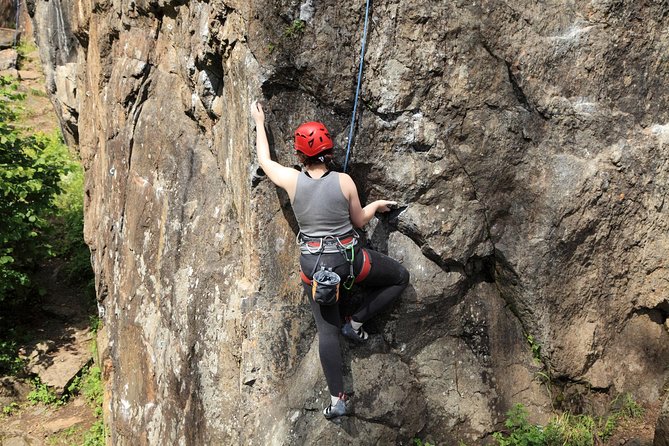
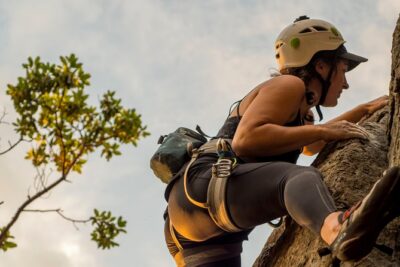
Outdoor rock climbing is the real focus here, not a quick photo stop with a rope. After a short hike to a natural cliff, you learn how to use the gear, tie knots, belay, catch a fall, and climb at least five top-rope routes on actual rock. The small group, capped at six, gives you time to ask questions and practice instead of standing around waiting.
I like the hands-on approach, especially the chance to practice belaying and work toward the skills needed for an indoor gym belay test. I also like the flexible plan: one couple’s day moved from the Seattle area to Frenchman Coulee because of weather, turning a change of plans into a full day on varied rock. The main consideration is that conditions can affect the climbing site, and the day may involve a long drive.
In This Review
- Key points to know before you book
- Starting in Ballard at 9:00 am
- Learning the gear before leaving the ground
- The short hike to natural rock
- Five to six top-rope routes for real practice
- Belaying and catching a fall
- Getting comfortable with cracks, edges, and fear
- What is included, and what you still need
- Weather, distance, and the flexible itinerary
- How this compares with a quick climbing lesson
- Booking, cancellation, and practical limits
- Is this outdoor climbing course right for you?
- FAQ
- Where does the experience start and finish?
- How long does the activity last?
- How many people can join the group?
- Do I need previous climbing experience?
- Is climbing equipment included?
- Will the climbing always take place near Seattle?
- What is the cancellation policy?
Key points to know before you book
- Five to six outdoor routes: You get repeated practice on top-rope climbs rather than a single introductory ascent.
- Small groups of two to six: The group limit allows more direct coaching and time on the rope.
- Belaying is part of the lesson: You learn commands, knots, device use, and how to catch a fall.
- Weather can change the venue: The planned Seattle-area crag may be replaced by a site such as Frenchman Coulee.
- Bring or rent personal gear: Harnesses, helmets, rock shoes, and chalk bags are not included, though rentals are available.
- A full day outdoors: The 9:00 am start, short approach hike, climbing practice, and return to the meeting point make this a serious day of learning.
Starting in Ballard at 9:00 am
Your day begins at Miyar Adventures, at 1120 NW Ballard Way in Seattle. The activity starts at 9:00 am and ends back at the same meeting point. Transportation, meals, and snacks are not included, so plan your morning accordingly.
The meeting point is useful if you need to sort out rental gear before leaving. Personal equipment is not included, but you can rent a harness, helmet, and rock shoes. A chalk bag with chalk is optional. Ropes, anchor materials, belay devices, and a group medical kit are supplied for the activity.
I would arrive ready to move, with food and water for the day. The listed plan includes a short hike to the cliff, then several hours of instruction and climbing. This is not a city sightseeing outing where you can wander off for lunch halfway through.
The group size matters here. With a maximum of six people and a minimum of two per booking, you are not joining a large class. A small group does not remove waiting time completely, since people take turns climbing and belaying, but it gives the guide a fair chance to watch your technique and correct mistakes.
More climbing and rappelling near Seattle:
- Tree Canopy Climbing on Lopez Island
★ 5.0 · 112 reviews - Waterfall Rappelling Canyoneering Adventure + Photo Package!
★ 5.0 · 29 reviews - Mount Baker Climb Tour from Washington
★ 5.0 · 17 reviews
Learning the gear before leaving the ground
The first useful lesson is understanding what each piece of equipment does. You learn about the harness, helmet, carabiners, belay devices, rope, chalk bag, rock shoes, and quickdraws. Some of these items are more relevant to later climbing styles, but learning their names early helps you make sense of a climbing rack.
The course covers both an ATC-style belay device and an auto-locking device. You should not expect to master every device in one day, but seeing the differences is valuable if you plan to climb indoors after the course.
Knots are another central part of the morning. The guide teaches climbing knots and explains how they fit into the safety system. You also learn the standard climbing commands. Clear communication is not a minor detail on a cliff, since the climber and belayer need to understand one another despite distance and outdoor noise.
This is where the course seems most useful for someone starting from zero. You are not simply clipped into a rope and sent upward. You learn the system that supports the climb, then practice using it. The goal is to build the basic skills needed to pass a belay test at an indoor climbing gym.
The short hike to natural rock
After the initial safety talk, you walk to a natural cliff face. The approach is described as short, but you still need a moderate level of physical fitness. You should be comfortable walking outdoors and spending much of the day on your feet.
The setting is part of the appeal. Indoor climbing gyms are controlled, bright, and convenient. Outdoor rock gives you real cracks, changing textures, and features that do not look like molded plastic holds. That difference makes the technique lesson more meaningful, though it also means the climbing may feel less predictable.
The exact climbing area can depend on the weather. One couple expected to climb near Seattle but went east to Frenchman Coulee after conditions changed. The drive took nearly two hours each way, but the longer trip allowed the group to reach climbable rock and spend the day climbing rather than canceling.
That example is worth keeping in mind when you book. A weather-related change may mean extra time in the vehicle. You also may end up with a different type of rock and a different setting than expected. The benefit is a better chance of having a productive outdoor day when local conditions are poor.
Five to six top-rope routes for real practice
The heart of the activity is top-rope climbing on at least five or six routes. In a top-rope setup, the rope is arranged through an anchor above the climb, so you are protected as you move upward while your partner or guide manages the rope below.
For a first outdoor session, repeated routes are more useful than one difficult climb. The first ascent lets you get used to the rock. The next gives you a chance to apply a correction. By the fourth or fifth, you may start to recognize how to place your feet, shift your weight, and use a crack or edge.
The routes have different rock types and features. Some may feel straightforward, while others can offer a greater challenge. The guide can choose another route if an easier climb no longer tests you, or if the first attempt feels too demanding.
Do not assume that you need great strength to reach the top. The supplied experience notes that beginners can often climb the full height without above-average strength. Good footwork and calm movement matter, and a guide can help you find a route suited to your ability.
That said, climbing still takes effort. You should expect your arms, legs, and hands to work throughout the day. The activity requires a moderate physical fitness level, and there is no promise that every route will feel easy.
Something different, still within Seattle:
- Beneath The Streets Underground History Tour
★ 4.5 · 8,006 reviews - Chef Guided Food Tour of Pike Place Market
★ 5.0 · 3,733 reviews - Mt. Rainier National Park Highlights Tour
★ 5.0 · 3,156 reviews - Seattle: Guided Underground Walking Tour
★ 4.6 · 2,144 reviews
Belaying and catching a fall
Many introductory climbing outings focus almost entirely on getting the participant up the wall. This one gives belaying a proper place in the day. You learn how to manage the rope, use the belay device, follow commands, and catch a fall.
For me, that is one of the strongest reasons to choose this course instead of a short outdoor climbing sampler. If you want to continue climbing, belaying is essential. You need to understand not only how to move on rock, but also how to protect the person climbing above you.
The guide will supervise your practice, but you still need to take the safety instruction seriously. A belay lesson is not a moment for casual conversation or distracted handling of the rope. Listen to each command, repeat it clearly, and ask for a demonstration if a step is unclear.
The course also covers cragging ethics and outdoor safety concerns. That widens the lesson beyond personal technique. You begin to see that outdoor climbing involves shared spaces, careful equipment use, and attention to the rock and people around you.
Getting comfortable with cracks, edges, and fear
Outdoor rock can feel intimidating at first. The surface may not offer obvious handholds, and the height can make a simple movement feel harder than it would in a gym. The guide’s job is to help you manage that first wave of uncertainty without pushing you beyond a sensible limit.
Simon is specifically noted for helping new climbers get comfortable on outdoor rock and work past their fears. Brett is also praised for teaching beginners, while Glen guided one couple patiently through the full process at Frenchman Coulee. Since guide assignments can vary, you should not assume one named guide will lead your date, but these examples show the kind of instruction the company aims to provide.
You learn basic techniques for climbing rock faces and cracks. That does not make you an advanced climber in one day. It does give you a starting vocabulary for movement and a chance to feel how outdoor rock differs from indoor holds.
The best part is the gradual build. First comes equipment and safety. Then knots and commands. Then belaying. Finally, you apply those lessons on several routes. The order makes sense, especially if you are nervous or have never touched outdoor climbing equipment.
What is included, and what you still need
The tour includes professional instruction, ropes and anchor materials for the top-rope setup, belay devices, and a group medical kit. Those inclusions cover the shared technical equipment and the teaching itself.
You must arrange your own harness, helmet, and rock shoes, either by bringing them or renting them. Chalk and a chalk bag are optional. Transportation, meals, snacks, and guide gratuities are also outside the listed inclusions.
This affects the value. If you already own climbing gear, the activity is more attractive because you are paying mainly for instruction, access to a prepared top-rope system, and a full day of guided practice. If you need to rent several items, include those costs when comparing it with an indoor class or another outdoor course.
The absence of meals is easy to handle, but do not overlook it. A full day of climbing can leave you hungry, and the experience does not provide food. Pack what you need unless the guide gives you different instructions after booking.
Weather, distance, and the flexible itinerary
The advertised setting is Seattle, but outdoor climbing depends on safe conditions. The Frenchman Coulee example shows that the guide may shift the plan rather than force a climb at an unsuitable site.
Frenchman Coulee is east of Seattle and can require close to two hours of driving. For some people, that is a fair trade for dry rock and a full climbing day. For others, a long drive will feel like a drawback, particularly if they expected a nearby activity.
The drive can also become part of the social side of the day. On the Frenchman Coulee outing, the couple spent the time talking with Glen, the instructor, and getting to know the group. That will not be the same for every booking, but a small group and shared transport can make the day feel personal.
You should treat the venue as condition-dependent rather than fixed. Ask about the expected climbing area after confirmation if the exact site matters to you. The plan can change, and that flexibility is useful, but it means you should avoid booking the course around a firm promise of one particular cliff.
How this compares with a quick climbing lesson
A short climbing session can show you the basics, but it may end just as you begin to feel comfortable. This full-day format gives you time to repeat the same skills, make corrections, and try routes with different features.
The strongest value comes if you want to continue climbing after Seattle. The belay practice, knot work, equipment lesson, and focus on top-roping are all useful steps toward indoor gym climbing. You leave with a better sense of whether the sport suits you.
The course is less suitable if you want a relaxed sightseeing day with a little climbing added. You will hike to the cliff, listen to safety instruction, take turns on several routes, and spend much of the day concentrating. It is active, technical, and weather-sensitive.
It also suits couples and friends who want to learn together. A minimum booking of two means you are not required to come alone, and the maximum of six keeps the group from becoming unwieldy.
Booking, cancellation, and practical limits
Confirmation is sent within 48 hours of booking, subject to availability. The activity requires at least two people, and minimum numbers can affect whether the day runs. If Miyar Adventures cancels because the minimum is not met, you are offered another date or experience, or a full refund.
Free cancellation is available until 24 hours before the start time. Cancel later than that, or make changes within the final 24 hours, and the amount paid is not refunded. The cut-off uses local time.
There is no accessibility information supplied, so you should contact the provider if you have mobility concerns or need a specific accommodation. The stated fitness requirement is moderate, and the experience includes a walk to the cliff and a full day outdoors.
Is this outdoor climbing course right for you?
I would book this if you want a proper first lesson, not just a single guided climb. The combination of five to six top-rope routes, belay training, knots, safety, and technique gives you a useful foundation for future climbing.
It is especially good for beginners who feel a little nervous. The small group, patient instruction, and chance to repeat routes can help you gain confidence without turning the day into a test of strength. Simon, Brett, and Glen are each associated with clear beginner instruction, though your guide may be someone else.
I would hesitate if you need a guaranteed Seattle crag, dislike long drives, or want meals and transportation included. Weather may change the venue, and rentals add to the total cost. For everyone else, Miyar Adventures offers a focused and practical introduction to outdoor climbing, with enough rope time to make the lessons stick.
FAQ
Where does the experience start and finish?
It starts and ends at Miyar Adventures, 1120 NW Ballard Way, Seattle, Washington 98107. The scheduled start time is 9:00 am.
How long does the activity last?
The experience lasts approximately one full day.
How many people can join the group?
The maximum is six people per booking, and the activity has a minimum requirement of two people per booking.
Do I need previous climbing experience?
No previous climbing experience is stated as required. The course is designed to teach beginners the basics of outdoor rock climbing, including equipment, knots, belaying, commands, and technique.
Is climbing equipment included?
Ropes, anchor materials, belay devices, and a group medical kit are included. Harnesses, helmets, and rock shoes are not included, but rentals are available. A chalk bag with chalk is optional.
Will the climbing always take place near Seattle?
The plan may change because of weather or climbing conditions. One outing moved to Frenchman Coulee, nearly two hours east, when the weather affected the original plan.
What is the cancellation policy?
You can cancel at least 24 hours before the local start time for a full refund. Cancellations or changes made less than 24 hours before the start time are not refunded. If the provider cancels because minimum numbers are not met, you are offered another date or experience, or a full refund.
Just added around Seattle
- Native Culture – Suquamish and Chief Seattle★ 5.0 · 3 reviews
- Break It and Make It: A Glass Fusing Session in Everett★ 4.5 · 3 reviews
- Bainbridge Island Discovery and Wine Tour★ 5.0 · 3 reviews
- Seattle: Twilight Tour and Olympic National Park★ 5.0 · 3 reviews
- Beaches, Bites and Bavaria in Leavenworth: A Self-Guided Audio Tour★ 3.5 · 3 reviews
- Seattle: Lake Union Happy Hour Cruise★ 3.7 · 3 reviews
- Seattle: Lake Union Kayak Tour – Small Groups, Big Views★ 5.0 · 3 reviews
- Sail Bainbridge Island & Seattle Waters – Classic Sailboat★ 5.0 · 3 reviews
Climbing & Rappelling, compared.
Waterfall Rappelling Canyoneering Adventure + Photo Package!
Read our review →
Outdoor Rock Climbing Beginner or Intermediate at Mt Erie
Read our review →
Browse the lists this tour appears in