
Reviewed · SAN JUAN ISLANDS TOURS
2-Day Fully-Catered Kayak Camping Trip in the San Juan Islands
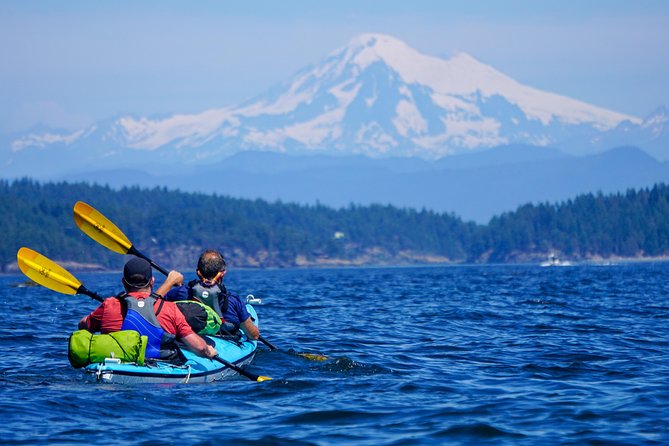
Cypress Island is the prize here: 90 percent of it is protected, and only one person lives there year-round. You paddle from Fidalgo Island across open channels, then camp at one of just two primitive sites. I like the wild setting and the fact that you carry only personal clothing, not tents, stoves, food, or sleeping gear.
I also like the small group, limited to eight, and the thoughtful camp cooking. Guides such as Tim, Wolf, Gabe, and Katie have earned praise for handling dietary needs, explaining tides and wildlife, and keeping first-time paddlers comfortable. The main consideration is real: wind, currents, and boat traffic can make the crossings demanding, and there are no showers.
In This Review
- What makes this trip worth two days
- From Anacortes to the open channels
- Crossing Bellingham Channel to Cypress Island
- Primitive camping on one of two sites
- Dinner, breakfast, and the practical value of a fully catered trip
- Day two follows the tide
- Wildlife, views, and what you may actually see
- Guides and the small-group feel
- Is $658.23 a fair price?
- Who should book this Cypress Island trip?
- The final call
- FAQ
- Where does the kayak trip begin?
- Where does the trip end?
- How long does the trip last?
- What islands do you visit?
- Is camping equipment provided?
- What food and drinks are included?
- Are showers available?
- Do I need to bring water shoes?
- Are single kayaks available?
- How many people can join the trip?
- Can children participate?
- What happens if bad weather cancels the trip?
What makes this trip worth two days
- A protected island camp: Cypress Island has few roads, almost no development, and exceptional beach and trail access.
- Wildlife from the kayak: Keep watch for harbor seals, porpoises, birds, and, with luck, larger marine life.
- Everything important is supplied: Tents, sleeping gear, kitchen equipment, cutlery, meals, water, snacks, and drinks are included.
- A small guided group: The maximum is eight people, and tandem kayaks make this a social experience.
- A weather-shaped route: Your guide adjusts the crossing and return route to tides, currents, and conditions.
- Possible nighttime bioluminescence: If the conditions are right, you may paddle into a dark bay to see glowing water.
From Anacortes to the open channels
Your morning begins at 8:00 at Anacortes Kayak Tours, at 2009 Skyline Way. You check in, receive dry bags, and pack your clothing and personal items. Then you drive about 10 minutes to Seafarers Memorial Park, where the kayaks launch from the beach.
That small transfer matters. You do not need to haul camping equipment from the office to the water, and the guide can help make sure your personal gear is packed sensibly. Still, pack lightly. Space in a sea kayak is limited, and the company is already carrying food, tents, sleeping bags, water, and cooking supplies.
The first section takes you away from Fidalgo Island and along the pastoral shorelines of Guemes Island. This is a pleasant opening to the trip, but it is not simply a sheltered warm-up. You are beginning a crossing-based sea-kayaking trip, so the water can change with wind, tide, and boat movement.
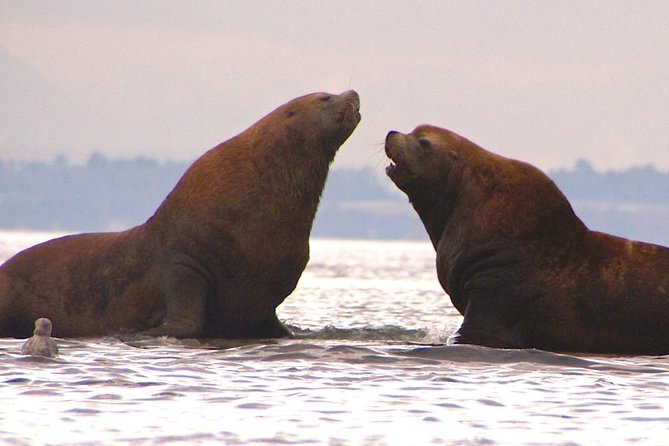
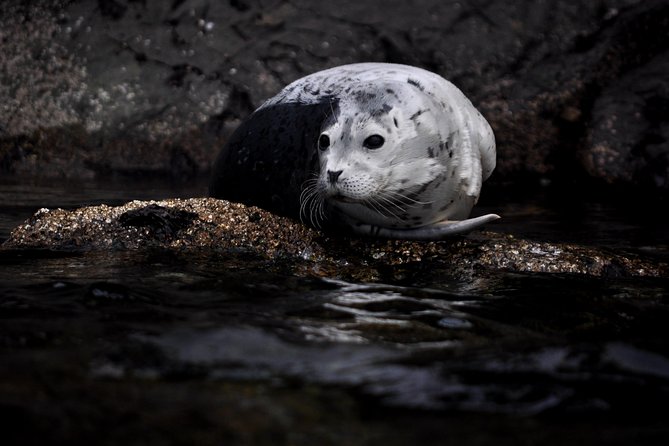
Keep your eyes on the channel. Harbor seals are common in these waters, and porpoises may appear as you paddle. Wildlife sightings are never promised, but the slow pace of a kayak gives you a better chance to notice animals than you would from a fast-moving boat.
The first day includes roughly two hours around Fidalgo Island and Guemes Island before the longer crossing of Bellingham Channel. Your guide sets the pace and chooses the route based on the group, weather, and current conditions. That flexibility is useful, but it also means you should not expect a rigid sightseeing schedule.
More San Juan Islands trips:
- Whale Watching from Friday Harbor
★ 5.0 · 780 reviews - Orcas Island Whale Watching
★ 4.5 · 442 reviews - Full Day San Juan Island Kayaking Adventure
★ 5.0 · 233 reviews
Crossing Bellingham Channel to Cypress Island
After Guemes Island, you cross Bellingham Channel and enter the Cypress Island Marine Protected Reserve. This is the defining paddle of the trip. You leave the more developed feel of Anacortes behind and reach an island where conservation shapes the experience.
Cypress Island is one of the least developed islands in the San Juan archipelago. About 90 percent of the island is protected, and the surrounding waters also have marine protection. You will not find a resort, shower block, or easy road access waiting at camp. What you get instead is quiet shoreline, forested slopes, trails, and broad views over the water.
The crossing can be rewarding, but you should take the warnings seriously. One account of a trip described challenging currents and boat traffic on the return route. Another pointed out that wind and adverse tides made the paddling harder than a first-time sea kayaker expected. The guides worked with the conditions, but no guide can remove the physical work of moving a loaded kayak across open water.
The tandem boats are stable for many people and allow two participants to share the paddling. They also require cooperation. You and your partner need to settle into a common rhythm, communicate clearly, and accept that one person cannot casually stop while the other keeps working.
Singles are available for an extra $50 per day, but they must be reserved in advance and are limited to participants at least 18 years old. If you strongly prefer independent paddling, arrange this before arrival rather than assuming a solo kayak will be available.
Primitive camping on one of two sites
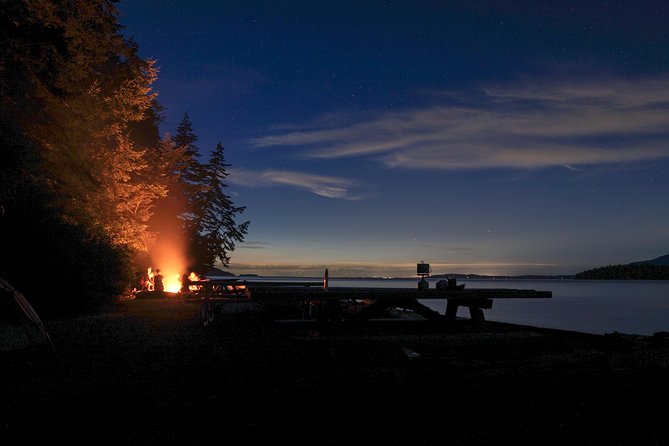
The exact Cypress Island camp depends on the weather and the group’s needs. The company uses one of two primitive camping areas, both described as offering strong beach camping and access to trails.
Primitive means simple. You will have camping gear, but you will not have showers or the comforts of a developed campground. Bring personal hygiene items, clothing suited to wet conditions, and shoes that work in or around water. Water-compatible shoes are specifically your responsibility.
Once camp is set up, you may have time for a short afternoon paddle. More often, the best use of the late day is a walk on the trails or a rest on the beach while the guide cooks. I like this balance. Two days of continuous paddling would turn the trip into an endurance exercise, while a free stretch at camp lets you enjoy why Cypress Island is special.
The trails can lead to excellent views, though the schedule and route depend on the group. You should not treat the hike as a separate, guaranteed excursion with a set distance. Think of it as an optional way to stretch your legs and see more of the island after the boats are pulled up.
Dinner, breakfast, and the practical value of a fully catered trip
The price includes dinner, breakfast, water, snacks, coffee or tea, drink mixes, and a planned menu. The company also provides tents, sleeping gear, kitchen equipment, and cutlery. That is a major part of the value.
A self-guided kayak camp requires a surprising amount of equipment. You would need to find a suitable boat, transport it, pack food that can survive a wet crossing, bring a stove and fuel, carry water, and work out where to camp. Here, the guide and support system handle those jobs while you focus on paddling and staying comfortable.
The food has been a strong part of the guided experience, especially for people with dietary needs. Wolf was praised for preparing excellent meals and paying close attention to a group’s diet. Tim was also singled out for combining guiding with camp cooking. You should still communicate dietary requirements during booking, rather than waiting until the morning of departure.
Alcohol is not included, but you may bring your own choice. Keep in mind that you must carry anything personal in the kayak, and the trip has no showers. A small bottle may be manageable, but overpacking works against you.
If conditions permit, the guide may offer a short nighttime paddle to look for bioluminescence in the darker bays. This is dependent on the natural conditions and the guide’s judgment. It is not a guaranteed add-on, but it could become the most unusual moment of the trip: a quiet kayak moving through water that may glow with each stroke.
More kayaking around San Juan Islands:
- 3-Hour Sea Kayak Tour in the San Juan Islands
★ 5.0 · 82 reviews - Guided Kayak Tour on San Juan Island
★ 5.0 · 41 reviews - Bioluminescence Kayak Tour in the San Juan Islands
★ 4.5 · 21 reviews - Orcas Island Bioluminescence Kayaking Tour
★ 5.0 · 5 reviews
Day two follows the tide
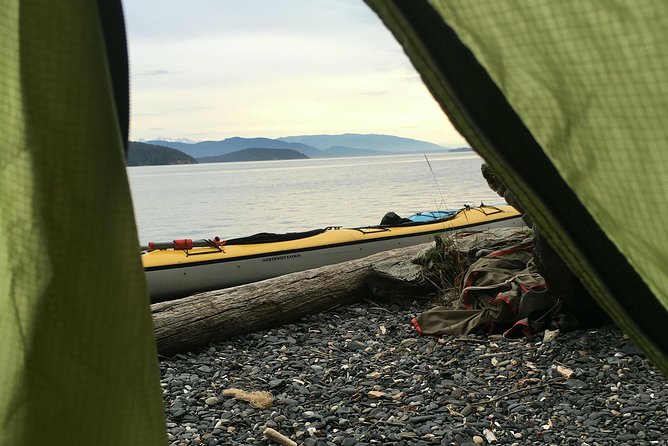
You rise with the sun, or a little later if the group agrees. After breakfast, the guide helps take down tents and pack the equipment. The return route is chosen according to tides and weather.
Some departures retrace the route toward Anacortes. Others take a slight variation. This is another reason not to book the trip expecting a fixed set of landmarks at precise times. The water decides much of the day.
Lunch is served on a beach along the way, and two lunches are listed among the included meals. The return to Anacortes usually falls between 3:00 and 5:00 in the afternoon, with the end point at Seafarers Memorial Park.
That arrival time gives you a useful planning window, but I would avoid booking an important evening connection immediately afterward. Wind, current, packing, and group pace can affect the day. A relaxed dinner in Anacortes is a better plan than a tight ferry, flight, or appointment.
Wildlife, views, and what you may actually see

The San Juan Islands include more than 450 named islands, and their appeal comes from the mix of open water, pastoral shorelines, forest, and protected habitat. From a kayak, you experience that setting at human speed. You hear paddle strokes and water against the hull rather than watching the islands pass from a road.
Harbor seals are a realistic possibility in the channels. Porpoises may also show themselves. One longer trip with the same company had two orca sightings, but you should treat that as luck, not as part of the promised program. The company’s guides can explain the local waters, geology, tides, currents, plants, and animals, which adds meaning to quiet stretches of paddling.
The views around Cypress Island are a major reward. The island’s protected status limits development, and trails lead toward high viewpoints. The shore can feel remote, but remember that this is a working sea trip, not a glassy-lake canoe outing. Your view may include open crossings, moving tide lines, and boat traffic as well as tranquil coves.
Guides and the small-group feel
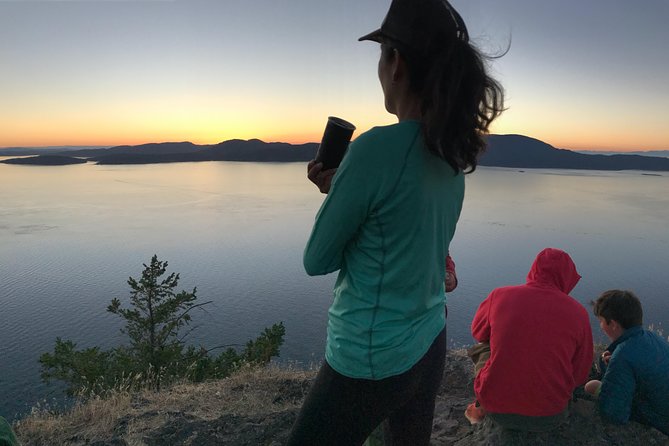
The group limit of eight is one of the better features of this outing. A small party is easier to brief, easier to keep together, and more pleasant around a shared camp kitchen. It also gives the guide a better chance to notice if someone is struggling with the pace or needs help with gear.
The guide quality matters greatly here. Tim, Wolf, Gabe, and Katie have all been associated with particularly positive trips, with praise for cooking, patience, local information, and good company. The staff have also handled families with teenagers and mixed-age groups, connecting comfortably with both younger and older participants.
That said, the guide cannot guarantee a perfect match of experience levels. One group wished that previous sea-kayaking ability had been assessed more closely because wind and tides made the first trip harder than expected. If you are new to sea kayaking, tell the company exactly that. Ask about current conditions, expected distance, and the likely level of effort.
Children require special planning because all equipment travels in the kayaks. The company asks for one adult per child and may make special arrangements from time to time. Most people can participate, but anyone with a serious medical condition should consult a physician first.
People over 265 pounds or over 6 feet 5 inches may not be comfortable in the kayaks. This is worth addressing before booking, not at the dock.
Is $658.23 a fair price?
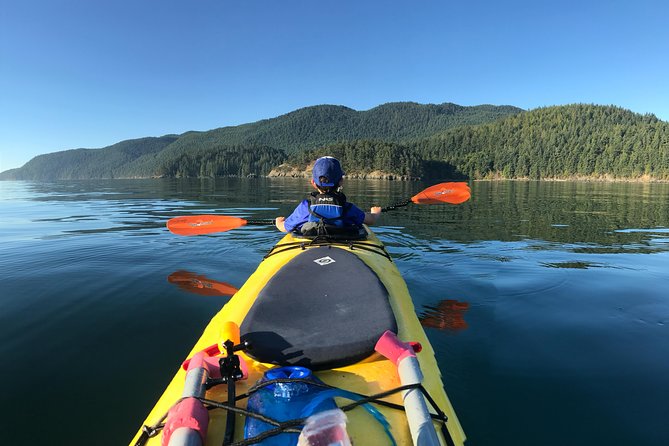
At $658.23 per person, this is not a budget overnight. The price makes more sense when you count what it removes from your preparation list: kayak equipment, camping gear, cooking gear, meals, drinks, snacks, and a guide. Fees and taxes are included as well.
You are paying for access to a remote-feeling island without having to organize a full expedition. The value is strongest if you do not already own sea-kayaking and camping equipment, or if you want a guide to manage tides, route choices, food, and camp work.
The value is weaker if you want a long, athletic mileage challenge or a comfortable campground. The route changes with conditions, and part of your day may be spent crossing channels rather than exploring a series of small coves. You also need to supply clothing, water-compatible shoes, hygiene products, and any alcohol.
The company usually sees bookings made about a month in advance, with an average of 31 days. That is a useful clue for planning. A small-capacity trip with only eight spaces can fill well before the departure date, especially during popular weekends.
Who should book this Cypress Island trip?
I would recommend it to you if you want a guided introduction to multi-day sea kayaking, enjoy simple camping, and value scenery over a packed list of attractions. It also suits people who like learning as they go, since the guide can explain tides, wildlife, and the character of the islands.
Families can have a wonderful time if the children are ready for tandem paddling, primitive camping, and shared physical effort. The family setup needs one adult per child, and the company should know your group details in advance.
I would be more cautious if you dislike wet shoes, sleeping outdoors, open-water crossings, or changing plans. This is also not the best pick for anyone seeking a resort-style island break. The campground is primitive, there are no showers, and the route depends on conditions.
The cancellation policy is strict: the trip is non-refundable and cannot be changed for any reason. If poor weather forces the company to cancel, you are offered another date or a full refund. Read that policy carefully before paying.
The final call
Book this trip if the thought of paddling into a protected island, carrying only your personal kit, and eating a hot camp dinner sounds better than staying on shore. The combination of Cypress Island, a small group, supplied equipment, and attentive guides gives you a practical way to try multi-day sea kayaking without planning every detail yourself.
Skip it if you want guaranteed wildlife, easy water, private showers, or a fixed route. The best approach is to contact Anacortes Kayak Tours before booking, explain your experience and physical limits, and ask about the likely conditions. For the right paddler, this is a memorable two-day taste of the San Juan Islands, with just enough effort to make the quiet beach and evening meal feel earned.
FAQ
Where does the kayak trip begin?
You meet at 2009 Skyline Way in Anacortes, Washington, at 8:00 am. After check-in and packing personal items into dry bags, you drive about 10 minutes to Seafarers Memorial Park for the beach launch.
Where does the trip end?
The trip ends at Seafarers Memorial Park, 601 Seafarers Way, Anacortes, Washington.
How long does the trip last?
The experience lasts approximately two days and includes one night of camping on Cypress Island.
What islands do you visit?
The route begins near Fidalgo Island, follows the pastoral shorelines of Guemes Island, crosses Bellingham Channel, and reaches Cypress Island. The exact return route can vary with tides and weather.
Is camping equipment provided?
Yes. Tents, sleeping gear, kitchen equipment, cutlery, and other camping equipment are provided.
What food and drinks are included?
Breakfast, dinner, water, snacks, coffee or tea, drink mixes, and a planned meal service are included. Lunch is also listed among the included meals, with lunch served on a beach during the return day.
Are showers available?
No. You should bring your own personal hygiene products and prepare for primitive camping without shower facilities.
Do I need to bring water shoes?
Yes. Water-compatible shoes are not provided, so you need to bring your own.
Are single kayaks available?
Yes, single kayaks can be arranged for an additional $50 per day. They must be reserved in advance, and participants using them must be at least 18 years old.
How many people can join the trip?
The maximum group size is eight people. The standard kayaks are tandem boats for two people.
Can children participate?
Children may participate with special planning. The company asks for one adult per child because all equipment is carried in the kayaks. Contact the company to discuss arrangements.
What happens if bad weather cancels the trip?
If poor weather causes the company to cancel, you are offered a different date or a full refund. If you cancel or request a change yourself, the payment is non-refundable and cannot be amended.
More 2-Day Experiences in San Juan Islands
- 2 Day Washington State Tour in Mt Rainier and Seattle Highlights
★ 4.5 · 3 reviews
Just added around San Juan Islands
- San Juan Island: Full Day Kayaking Tour with Lunch★ 4.3 · 3 reviews
- Cafes and Kayaks: Full Day Kayaking Adventure on Orcas Island★ 5.0 · 3 reviews
- Sunset Canopy Climb on Lopez Island★ 5.0 · 4 reviews
- Orcas Island Bioluminescence Kayaking Tour★ 5.0 · 5 reviews
- Anacortes: Full Day Whale/Wildlife Tour; Friday Harbor Stop★ 5.0 · 5 reviews
- Orca whale tour from Orcas Island★ 5.0 · 11 reviews
- Half Day Sail Orcas Island★ 5.0 · 15 reviews
- Bioluminescence Kayak Tour in the San Juan Islands★ 4.5 · 21 reviews
San Juan Islands Tours, compared.

3 Hours San Juan Island Seaplane Tour from Seattle
Read our review →
Bioluminescence Kayak Tour in the San Juan Islands
Read our review →Browse the lists this tour appears in