
Reviewed · SAN JUAN ISLANDS TOURS
Orcas Island Whale Watching
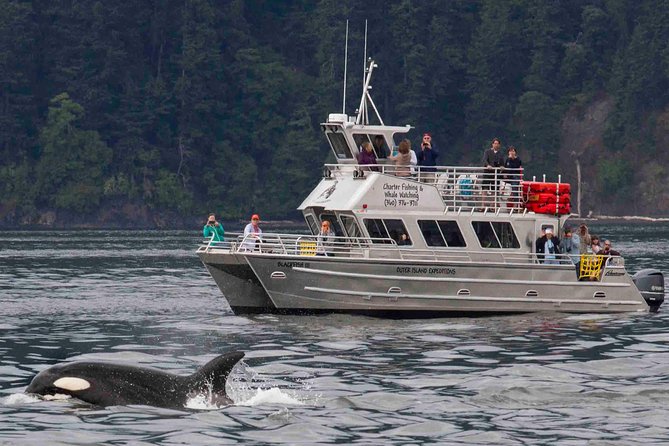
Two male orcas glide through the gray-blue water, a bald eagle watches from shore, and sea lions bark somewhere beyond the boat. That is the appeal of this 3.5-hour Orcas Island cruise: you are not visiting an aquarium or staged wildlife show. You are searching the open San Juan and Canadian Gulf islands for animals living on their own terms.
I like the small group size, capped at 30, and the fast boats, which can cover more water than a slow sightseeing vessel. I also like the crew’s attitude. Captains and naturalists such as Phil, Ginny, Elliot, Sheila, Drew, and Liberty are repeatedly praised for explaining the animals and island geography in a friendly, lively way. The main catch is the ferry. This tour leaves from Orcas Island, so getting there can take more planning than the whale watching itself.
In This Review
- Key points at a glance
- Why Orcas Island is a strong whale-watching base
- The first 30 minutes: check in at Rosario Road
- Leaving Orcas Island on a smaller, faster boat
- Searching the San Juans for orcas
- Humpbacks, minkes, and gray whales
- The supporting cast: seals, sea lions, otters, and eagles
- What the guide adds to the ride
- Price, group size, and overall value
- Getting to Orcas Island without missing the boat
- Weather, cancellations, and who should book
- Should you book Orcas Island Whale Watching?
- FAQ
- Where does the Orcas Island whale-watching tour begin?
- How long does the tour last?
- How much does the tour cost?
- How many people can join the boat?
- What animals might I see?
- Are whale sightings guaranteed?
- Do I need to take a ferry to reach the tour?
- How early should I arrive?
- What happens if the tour is canceled because of weather?
Key points at a glance
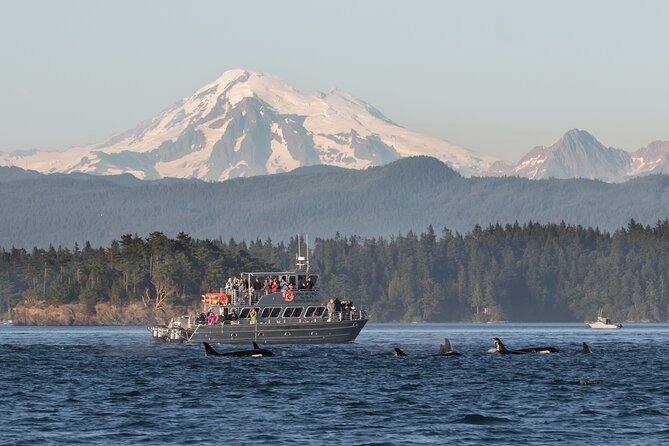
- Orcas are the main prize: The stated sighting rate is 98 percent, though the animals remain wild and sightings can require a long run across open water.
- Expect more than killer whales: Humpbacks, gray whales, minkes, porpoises, seals, sea lions, otters, and bald eagles may all appear.
- Fast boats cover serious ground: The smaller vessels can move quickly toward current wildlife reports, but that can mean a chilly, extended ride.
- The ferry schedule matters: The meeting point is at 1608 Rosario Road in Eastsound, and the island is reached only by Washington State Ferries.
- Bring warm layers: Even on a sunny day, wind on the water can make the boat feel cold.
- Good value for a serious wildlife outing: At $119 per person, the price includes the guide, vessel, 3 to 4 hours on the water, sales tax, and applicable fees.
Why Orcas Island is a strong whale-watching base
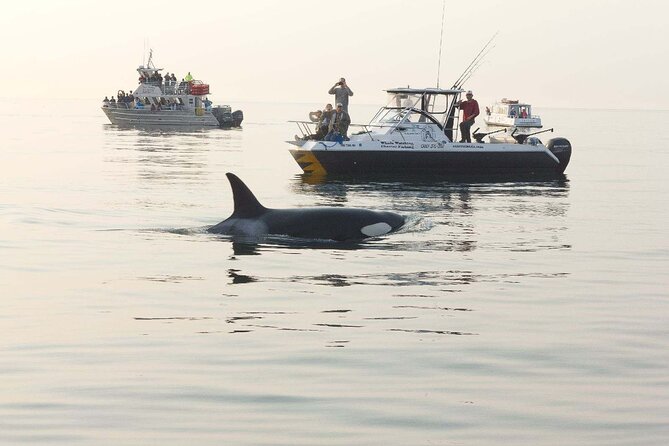
Orcas Island puts you inside the San Juan Islands rather than sending you out from a large city marina. The setting is part of the experience. You spend the tour moving through island channels, open stretches of water, and the neighboring Canadian Gulf islands while the crew scans for whales.
This is a search, not a fixed route with guaranteed animal stops. That distinction matters. The captain may hear of whales farther north and change course. On one outing, the crew traveled a long way toward Vancouver to find humpbacks. On another, the boat covered a lot of water before reaching a pod of about twelve orcas.
I see that as both the tour’s strength and its tradeoff. The crew keeps working instead of giving up after a quiet start, and the fast boats help them respond to new sightings. But a long ride can be tiring, especially for young children or anyone who gets uncomfortable on open water.
The stated whale sighting rate is 98 percent, which is unusually encouraging for a wildlife trip. Still, that figure should not be read as a promise of close orca views on every departure. You are watching wild animals, and conditions, animal movement, and distance all shape the day.
More San Juan Islands trips:
- Whale Watching from Friday Harbor
★ 5.0 · 780 reviews - Full Day San Juan Island Kayaking Adventure
★ 5.0 · 233 reviews - Tree Canopy Climbing on Lopez Island
★ 5.0 · 112 reviews
The first 30 minutes: check in at Rosario Road
Plan to arrive at least 30 minutes before departure. The meeting point is 1608 Rosario Road, Eastsound, Washington 98245, and the tour returns there after the cruise.
Your confirmation is provided at booking, and the experience uses a mobile ticket. Keep the ticket easy to reach on your phone. One useful detail from the available feedback is that accessing the ticket through the app was simple, but some visitors wished the operator gave clearer advance information about what to bring and what was available on the boat.
That is fair advice. Pack your own warm layers, and do not assume a warm summer day will feel warm offshore. A jacket is the one tip that comes up again and again. A sunny morning can still turn cold once the boat is moving.
Children must be with an adult. Service animals are allowed, and most people can take part. If anyone in your group has trouble walking, tell the crew when you arrive. The crew has helped people with limited mobility see wildlife from inside the boat, but the exact onboard arrangement is not specified, so it is best to raise the issue early.
Leaving Orcas Island on a smaller, faster boat
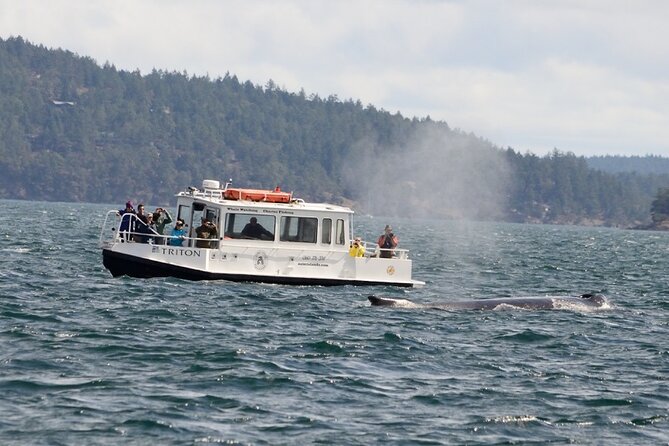
The vessel is one of the reasons to choose this outing. The company uses smaller, high-speed boats rather than a large sightseeing ship. With a maximum of 30 people, the trip feels more personal, and the captain and naturalist can speak with people throughout the boat.
A smaller boat also has practical benefits. It can move quickly when a whale report comes in, and the captain can spend less time simply reaching the general viewing area. Several trips included long runs to find whales, so speed is not just a marketing detail. It can help the crew cover the range needed for a good search.
The downside is exposure. Fast boats create wind, and the ride may feel brisk even when conditions look pleasant from shore. Several people specifically advised bringing a jacket or dressing in layers. I would wear clothes you can add or remove, rather than relying on one heavy coat.
The crew includes a captain and a naturalist or guide. Names praised across different outings include Captain Phil, Captain Elliot, Captain Drew, Captain Chaz, Trevor, Ginny, Sheila, Liberty, Sophia, Beau, Corrina, Kate, Gabe, and others. The important point is not any single staff pairing. It is that the crew’s role goes beyond steering and pointing. They explain animal behavior, identify species, and add context about the islands and sea floor.
Searching the San Juans for orcas
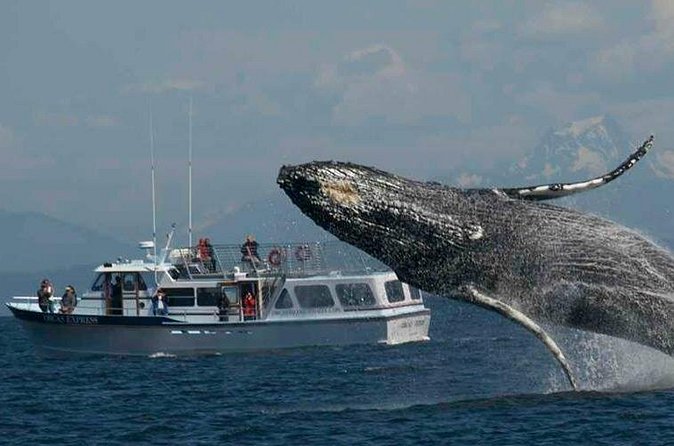
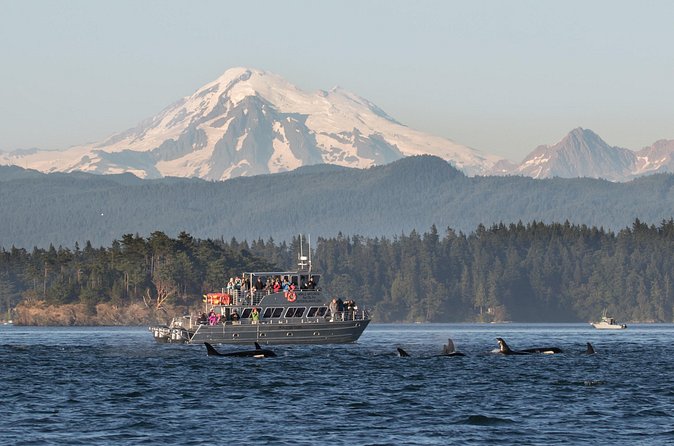
The central part of the tour is a moving search through the San Juan Islands and Canadian Gulf islands. The crew scans the water, follows current reports, and watches for signs of whales. When orcas are found, the boat slows and positions itself for viewing while respecting the animals and other boats in the area.
The most memorable sightings can be simple. Two male orcas traveling together. A pod surfacing in sequence. A whale passing near enough for you to see its back and dorsal fin clearly. One outing followed two brother orcas for several hours, while another included a pod of roughly twelve animals.
You should not expect the boat to remain beside one pod for the entire trip. The whales may move on, disappear underwater, or require the captain to relocate. Some tours spend the first hour and a half without a sighting, then receive new information and reach the whales later. That patience is part of the experience.
The crew may identify individual orcas when possible. Naturalist Sheila, for example, explained the animals and helped identify some of the orcas seen during one trip. That kind of detail gives the sighting more meaning. You are not simply watching black-and-white shapes. You are learning that different families and individuals use these waters.
More whale watching from San Juan Islands:
- Half Day Sail Orcas Island
★ 5.0 · 15 reviews - Orca whale tour from Orcas Island
★ 5.0 · 11 reviews - Orcas Island Bioluminescence Kayaking Tour
★ 5.0 · 5 reviews - Anacortes: Full Day Whale/Wildlife Tour; Friday Harbor Stop
★ 5.0 · 5 reviews
Humpbacks, minkes, and gray whales
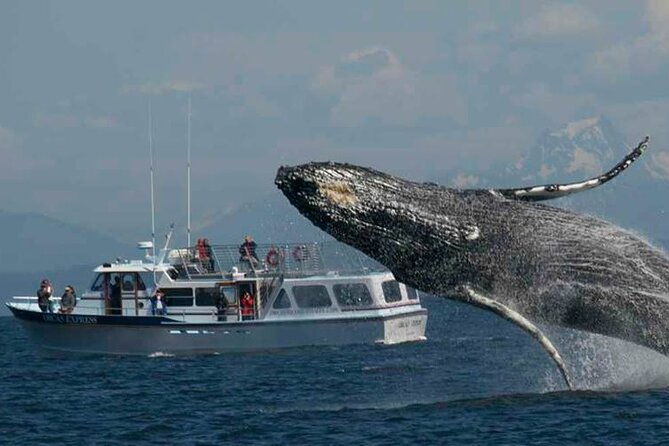
Orcas receive top billing, but the species list is broader. The crew searches for humpback, gray, and minke whales, and several outings saw more than one whale species in the same trip.
Humpbacks are often a satisfying bonus because their size and surface behavior are easy to appreciate. One outing combined a humpback with a pod of orcas. Another saw a humpback and minke whales before reaching orcas. Gray whales also appear, though sightings may be less predictable.
Minke whales can be harder to spot because they are smaller and often surface quickly. Seeing them alongside orcas gives you a useful sense of the variety in these waters. The guide can help you understand what you are looking at, which is especially helpful when a whale surfaces only briefly.
The captain may choose to travel farther than usual if the best information points to whales in another area. That improves your odds of seeing something, but it can also reduce the time spent close to the island. If your group values a relaxed scenic cruise more than a determined wildlife search, this may feel like too much running. If seeing whales is the main goal, the effort is easier to accept.
The supporting cast: seals, sea lions, otters, and eagles
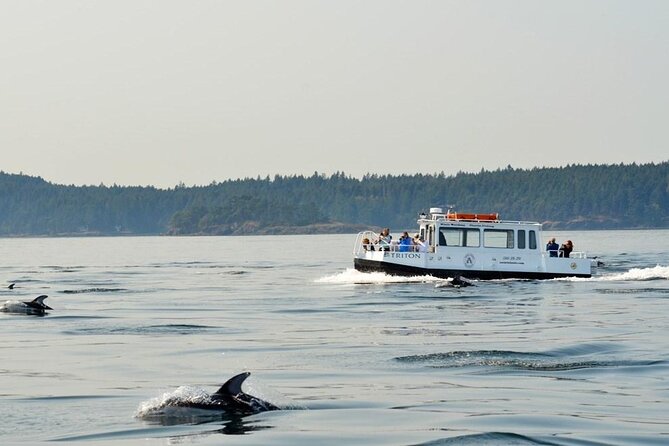
Even when whales are distant, the water is not empty. The tour regularly encounters harbor seals, stellar sea lions, porpoises, seabirds, and otters. Bald eagles are another possible sighting.
These animals help keep the trip interesting during stretches when the crew is searching. A sea otter can be easy to miss, so listen when the guide calls out a small shape on the water. Sea lions are louder and more obvious, while seals may simply lift their heads and watch the boat.
One family outing included seals, sea lions, orcas, and bald eagles. Another included a gray whale, many harbor seals, and a sea otter. You may also see seabirds across the channels, though specific bird species are not promised.
This variety is a real benefit for families. Children have more chances to see something active, and adults gain a fuller picture of the marine environment. The whale is still the goal, but the other animals make the ride worthwhile during quiet periods.
What the guide adds to the ride
A good naturalist changes the feel of whale watching. Instead of waiting silently for a fin, you learn about the animals, the islands, and the water beneath you. Guides such as Ginny, Liberty, Sheila, and Sophia are praised for being warm, clear, and enthusiastic without turning the trip into a lecture.
The information may cover local wildlife, island geography, and underwater topography. One group especially appreciated learning about the shape of the sea floor and the islands around Orcas. That context explains why certain channels attract whales and why the captain may head toward one area rather than another.
The crew also seems attentive to the people onboard. They have checked on comfort, offered to take photos, and made an effort to help passengers who had trouble walking. These details matter on a small boat, where a thoughtful crew can make a cold or long ride much easier.
Price, group size, and overall value
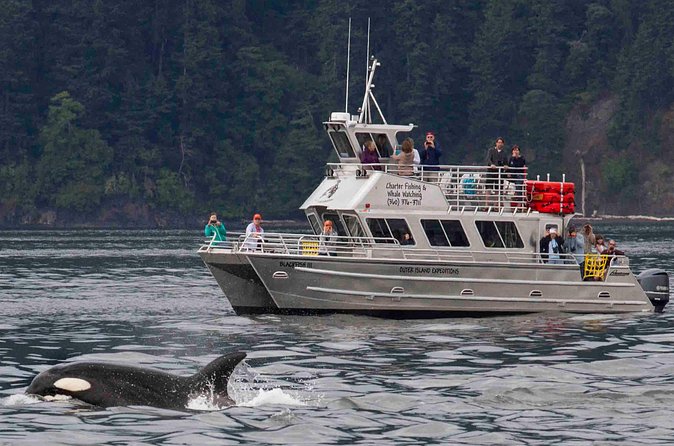
The cost is $119 per person, including the professional guide, high-speed vessel, approximately 3 to 4 hours on the water, Washington’s 8.1 percent sales tax, and applicable fees.
That is not a cheap add-on, especially for a family. But it is a fair price for a specialized wildlife outing lasting about three and a half hours, with a small maximum group of 30 and a crew actively searching a large area. You are paying for the boat, fuel, captain, naturalist, and the effort required to find moving animals in open water.
The value is strongest if orcas are high on your list and you are willing to accept uncertainty. It is weaker if you want a guaranteed short ride with whales close to the departure point. Some trips find animals quickly. Others require a long run. The price stays the same, but the pace of the day can vary.
The experience receives a 4.7 rating from 442 ratings, with 92 percent recommending it. Those numbers fit the pattern of the outing: the strongest praise goes to the crew, the effort to find whales, the boat, and the range of wildlife seen.
Getting to Orcas Island without missing the boat
This is the detail most likely to cause trouble. The tour departs from Orcas Island, and the island can only be reached through the Washington State Ferry System.
If you are already staying on Orcas Island, the logistics are simple. If you are coming from Seattle or another island, you need to plan the ferry carefully and allow room for delays. Several people nearly missed the experience because they had not built the ferry schedule into their plans.
The operator recommends using its Anacortes departure location if your group is not already on Orcas Island. The supplied information does not give details for that departure, so confirm the correct meeting point before booking. Do not treat this as a casual same-day add-on from Seattle unless you have checked the ferry timing in both directions.
For a smoother day, I would stay on Orcas Island the night before, or choose the Anacortes option if available and suitable for your schedule. The whale trip lasts about 3.5 hours, but the ferry can turn it into a full-day commitment.
Weather, cancellations, and who should book
This experience requires good weather. If poor weather causes a cancellation, you are offered a different date or a full refund. The trip can also be canceled if the minimum number of participants is not reached, with the choice of another date or experience, or a full refund.
Your own cancellation is different. The booking is non-refundable and cannot be changed for any reason. That makes ferry planning, weather checks, and schedule review important before you commit.
I would recommend this outing to:
- Families who want a memorable wildlife day and can handle a long ride
- Couples celebrating a special occasion
- First-time whale watchers who want a guide explaining what they see
- Visitors already staying on Orcas Island
- Anyone hoping to see several marine species, not only orcas
I would think twice if you dislike cold, open-water rides or need a tightly timed schedule. The boat may travel far, and whale sightings cannot be placed on a timetable.
Should you book Orcas Island Whale Watching?
Book it if wild orcas are a priority and you are happy to let the crew search until the animals are found. The 98 percent stated whale sighting rate, small group, fast boat, and strong crew presence make this a serious outing rather than a quick harbor cruise.
The best plan is to arrive early, dress warmer than you think necessary, and build the ferry around the tour instead of trying to squeeze the boat between tight connections. If you are not already on Orcas Island, check the Anacortes departure option first.
For most visitors who can manage the logistics, this is a memorable and well-priced way to see the San Juans from the water. Just remember that the memorable part may be an orca pod, a humpback, a sea otter, or the patient search that leads you there.
FAQ
Where does the Orcas Island whale-watching tour begin?
It begins at 1608 Rosario Road, Eastsound, Washington 98245. The tour ends back at the same meeting point.
How long does the tour last?
The cruise lasts approximately 3 hours and 30 minutes. The listed duration is generally described as 3 to 4 hours.
How much does the tour cost?
The price is $119 per person. Washington State’s 8.1 percent sales tax and applicable fees are included.
How many people can join the boat?
The activity has a maximum of 30 travelers.
What animals might I see?
The crew searches for orcas, humpback whales, gray whales, and minke whales. You may also see porpoises, seals, sea lions, seabirds, otters, and bald eagles.
Are whale sightings guaranteed?
No. The animals are wild, and the route depends on current sightings and conditions. The stated whale sighting rate is 98 percent.
Do I need to take a ferry to reach the tour?
Yes, this tour departs from Orcas Island, which can only be reached through the Washington State Ferry System. If you are not already on the island, the operator recommends checking its Anacortes departure location.
How early should I arrive?
Check-in begins 30 minutes before departure.
What happens if the tour is canceled because of weather?
You will be offered a different date or a full refund if poor weather causes the cancellation. If the minimum number of participants is not reached, you are offered a different date or experience, or a full refund.
Just added around San Juan Islands
- San Juan Island: Full Day Kayaking Tour with Lunch★ 4.3 · 3 reviews
- Cafes and Kayaks: Full Day Kayaking Adventure on Orcas Island★ 5.0 · 3 reviews
- Sunset Canopy Climb on Lopez Island★ 5.0 · 4 reviews
- Orcas Island Bioluminescence Kayaking Tour★ 5.0 · 5 reviews
- Anacortes: Full Day Whale/Wildlife Tour; Friday Harbor Stop★ 5.0 · 5 reviews
- Orca whale tour from Orcas Island★ 5.0 · 11 reviews
- 2-Day Fully-Catered Kayak Camping Trip in the San Juan Islands★ 4.5 · 14 reviews
- Half Day Sail Orcas Island★ 5.0 · 15 reviews
San Juan Islands Tours, compared.
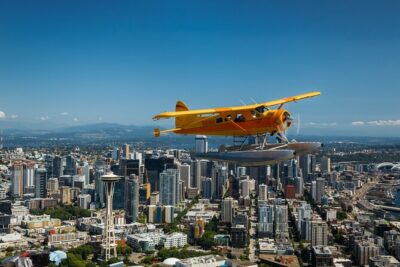
3 Hours San Juan Island Seaplane Tour from Seattle
Read our review →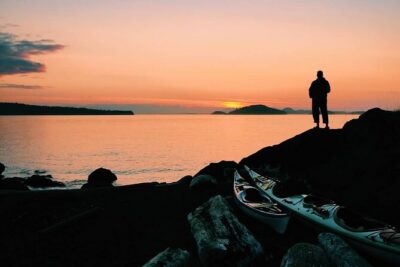
Bioluminescence Kayak Tour in the San Juan Islands
Read our review →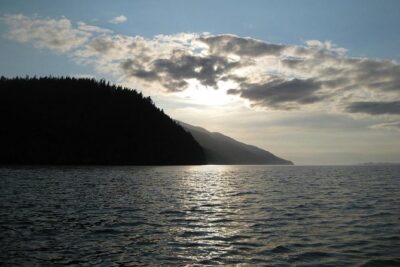
Browse the lists this tour appears in