
Reviewed · FOOD TOURS
Seattle Chocolate Tour
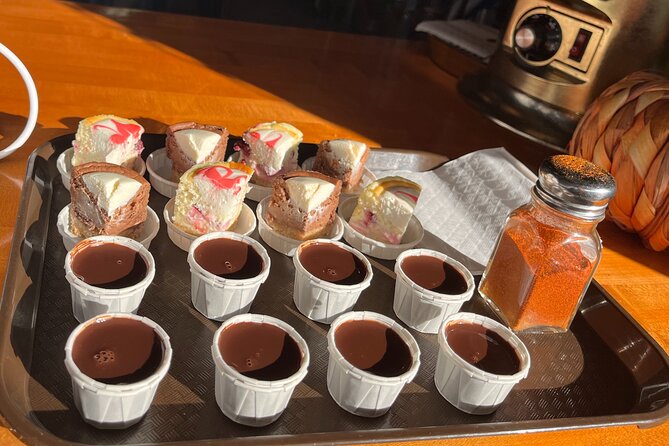
Seattle’s chocolate story is bigger than a box of truffles. This 2-hour-15-minute walking tour links bakeries, cafés, Pike Place Market vendors, and local chocolatiers, with tastings that range from coconut cream pie and champurrado to Venezuelan chocolate, marzipan, fudge, and truffles. I like the mix of familiar sweets and less obvious cacao traditions, plus the chance to see the market with a guide who can explain more than where to buy candy.
I also like the small group size, capped at 12, and the guides’ personal touch. Ivy, Ben, Will, Maia, Jade, and others have made the tour work well for couples, solo visitors, families, and children. The main catch is the walking: expect roughly an hour and a half on foot, with some sitting at cafés and shops. The exact stops can change, and one tasting may be a store-bought bar rather than something made on site.
In This Review
- Key points at a glance
- What this Seattle chocolate walk is really like
- Starting with pastries at Dahlia Bakery
- Cacao traditions at maíz
- Pike Place Market, views, and the walking between bites
- A modern bakery stop at Freya
- Venezuelan chocolate at Woodring
- European flavors and unusual pairings at Truffle Queen
- Global bars at DeLaurenti
- Finishing with local truffles at SELEUŠS
- How much chocolate do you actually taste?
- Guides make or break the experience
- Is $85 a fair price?
- Who should book this tour?
- Should you book the Seattle Chocolate Tour?
- FAQ
- How long is the Seattle Chocolate Tour?
- How much does the tour cost?
- Where does the tour start?
- Where does the tour end?
- How many chocolate samples are included?
- Is the tour only about pure chocolate?
- Is the tour offered in English?
- Can dietary concerns be accommodated?
- What is the cancellation policy?
Key points at a glance
- Twelve individual tastes: Expect a broad sampling of pastries, hot chocolate, global bars, fudge, marzipan, and truffles.
- A walking tour with real mileage: The route covers downtown Seattle and Pike Place Market, with intermittent sitting.
- Chocolate traditions from several places: Taste cacao from Mexico, Belgium, Venezuela, New Zealand, and other sources.
- Guides add Seattle context: Ivy, Ben, Will, Maia, and Jade have been praised for explaining both chocolate and the city.
- Good for families and solo visitors: Guides can adapt explanations and tastings for children and different dietary needs.
- Price reflects Seattle food costs: At $85 per person, the value depends on how much you want guidance, variety, and local context.
What this Seattle chocolate walk is really like
This is not a factory tour where you watch a conveyor belt turn cacao into candy. It is a guided tasting walk through working bakeries, cafés, market stalls, and specialty food shops.
That distinction matters. You will learn about chocolate making from bean to bar, but the lesson comes through tasting and conversation rather than a formal production floor. One stop may offer a pastry, another a traditional chocolate drink, and another a truffle made by a local chocolatier.
The group begins at Dahlia Bakery, at 2001 4th Avenue, and finishes at SELEUŠS Chocolates, at 1910 1st Avenue. The route includes Pike Place Market and nearby downtown sights. Along the way, you can expect views of Seattle, Elliott Bay, and the Olympic Mountains when conditions allow.
The tour is offered in English, uses a mobile ticket, and usually runs for about two hours and fifteen minutes. In practice, some groups have taken closer to three hours, so I would avoid scheduling a tight activity immediately afterward.
More food tours in Seattle:
- Chef Guided Food Tour of Pike Place Market
★ 5.0 · 3,733 reviews - Taste Pike Place Walking Food Tour
★ 5.0 · 930 reviews - Seattle: Pike Place Market Chef-Guided Food Tour
★ 4.8 · 847 reviews
Starting with pastries at Dahlia Bakery
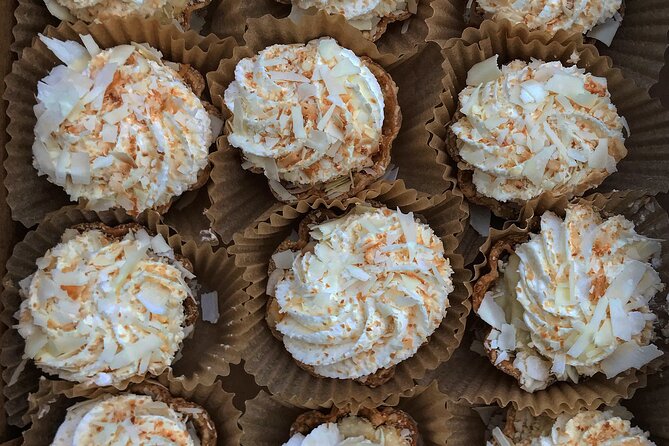
The opening stop gives you time to settle in. At Dahlia Bakery, you receive two baked goods featuring dark and white chocolate. The listed examples include a sea-salted brownie and the famous triple coconut cream pie, finished with white chocolate shavings.
This is a smart beginning. You can order a coffee, use the restroom, and get acquainted with the guide and the rest of the group before the walking begins. It also sets the tone: this is a tour about chocolate in food, not only chocolate in a bonbon box.
The drawback is that the first tasting may feel more like a bakery visit than a lesson in cacao. If you are hoping to begin with a pure chocolate bar or a look at tempering and molding, you will need to wait for later stops.
Cacao traditions at maíz
At maíz, the focus shifts away from European-style pastries and toward the origins of cacao. You taste chocolate in a more traditional form, closer to its natural ingredients.
The sample menu lists champurrado and 70 percent dark chocolate from Mexico. Champurrado is especially useful here because it shows chocolate as a warm, comforting drink with cultural roots, not simply a sweet dessert. The tasting gives the guide room to explain where cacao comes from and how preparation changes its flavor.
This stop may be one of the most useful for families. Children can compare a familiar brownie with a less familiar chocolate drink, while adults get a clearer idea of how cacao traditions differ from modern candy making.
If you prefer only highly refined chocolate, the traditional preparation may not be your favorite taste of the day. That is part of the point, though. This stop broadens the definition of chocolate before the tour returns to more familiar bakery and confectionery styles.
Pike Place Market, views, and the walking between bites
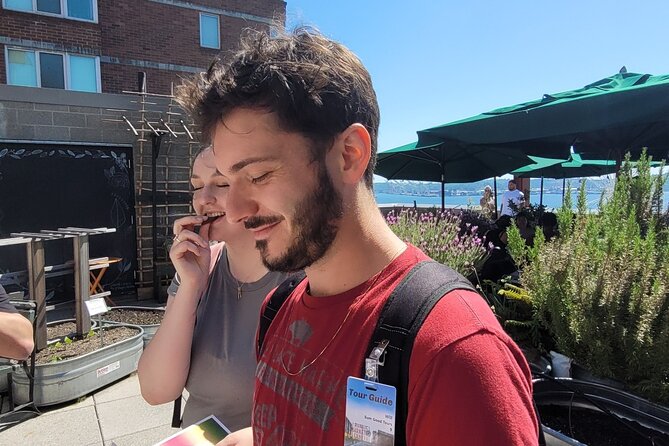
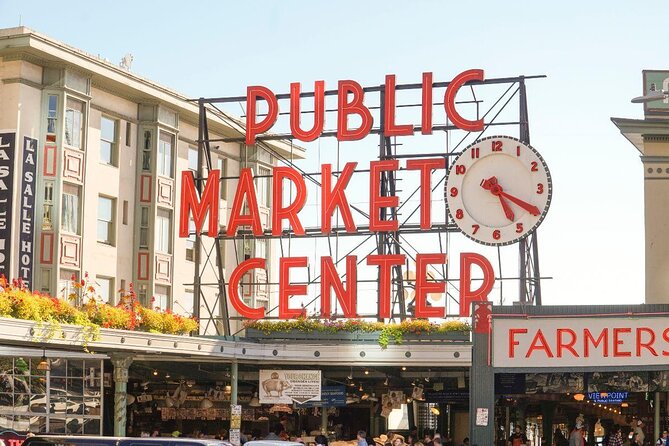
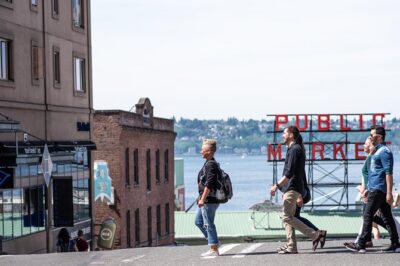
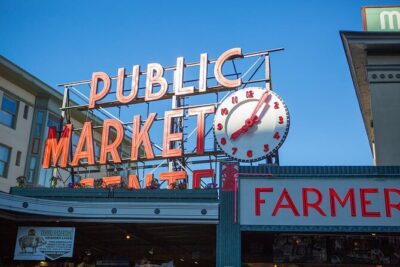
The route passes famous sights in Pike Place Market, so the experience is also a short market orientation. A guide can point out vendors, explain parts of the market, and help you make sense of the crowded collection of food shops.
You also get a 180-degree view of Seattle, Elliott Bay, and the Olympic Mountains. This gives the tour a welcome break from tasting. Bring a camera, but remember that Seattle weather can affect visibility.
The walking is important to understand before booking. One hour and a half on foot, spread across a two-hour-plus experience, is a substantial amount of city walking. There are intermittent seated stops, but this is not a mostly stationary tasting.
A helpful guide can adjust the pace. One guide brought treats to a participant who was struggling after a fall, which shows the value of a small group and an attentive host. Still, you should be comfortable walking around downtown and Pike Place Market.
Something different, still within Seattle:
- Beneath The Streets Underground History Tour
★ 4.5 · 8,006 reviews - Mt. Rainier National Park Highlights Tour
★ 5.0 · 3,156 reviews - Seattle: Guided Underground Walking Tour
★ 4.6 · 2,144 reviews - Seattle’s Original Guided Harbor Cruise
★ 4.5 · 2,077 reviews
A modern bakery stop at Freya
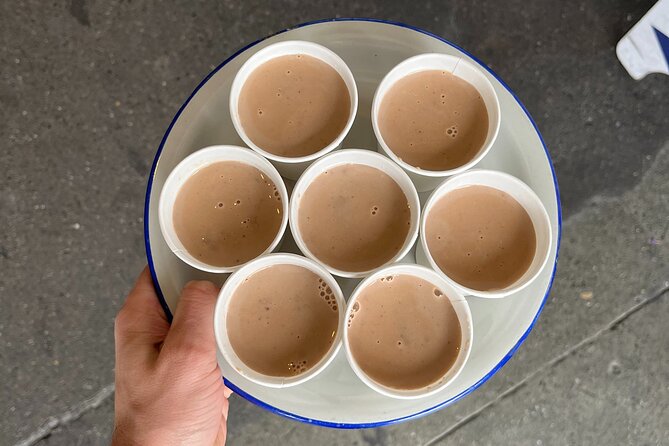
Freya Bakery & Café brings the tour back to a familiar style of sweet. After the traditional cacao tasting, you try a modern bakery item with Danish influence.
The sample menu includes Copenhagen Cocoa, and other tastings described by participants have included cookies, doughnuts, and gelato. The appeal here is contrast. You are not tasting five versions of the same dark truffle. You are comparing a baked good, a drink, a bar, and a filled confection as different ways to use chocolate.
Freya is a short stop, listed at about 15 minutes. That is enough for a taste and a brief explanation, but not enough time for a relaxed café visit. Think of it as one course in a moving meal.
Venezuelan chocolate at Woodring
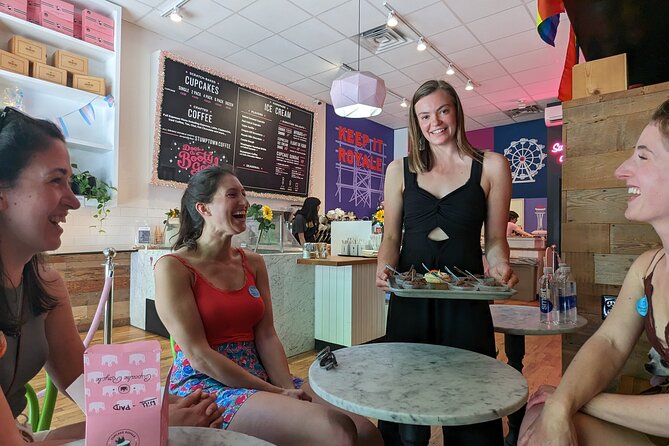
At Woodring in Pike Place Market, chocolate sourced directly from Venezuela appears in several forms. The planned tastings include fudge, marzipan, and caramel.
This is where the bean-to-bar discussion becomes easier to grasp. You can taste how the same broad ingredient works in a soft fudge, a dense marzipan, or a caramel-centered confection. The flavors and textures change even when chocolate remains the central thread.
The stop is listed at only 10 minutes, so expect a quick tasting rather than a long shop visit. The market can also affect how smoothly the group moves. You may spend time waiting outside or move through a vendor quickly if space is tight.
That point is worth keeping in mind. The advertised route includes several businesses, but not every group necessarily visits every named stop. The food remains varied, but the precise lineup can change.
European flavors and unusual pairings at Truffle Queen
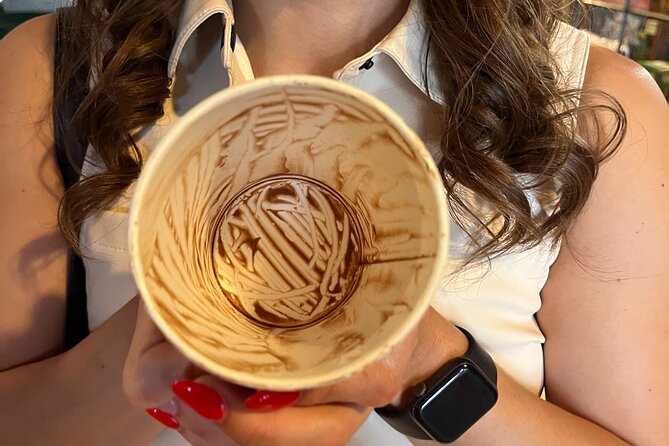
Truffle Queen focuses on the European side of chocolate, especially pairings that move beyond plain milk or dark chocolate. This is a good point in the tour to pay attention to how flavors develop rather than simply deciding whether a sample tastes sweet.
Guides have used creative comparisons to help people identify flavors and connect them with memories. That approach is useful if you are new to tasting chocolate. You do not need a trained palate. You only need to slow down, let the sample sit briefly, and notice what arrives first and what lingers.
The stop lasts about 10 minutes. It is short, but the small serving size helps keep the day manageable. By this stage, you may already have eaten pie, brownies, a drink, and bakery items.
Global bars at DeLaurenti
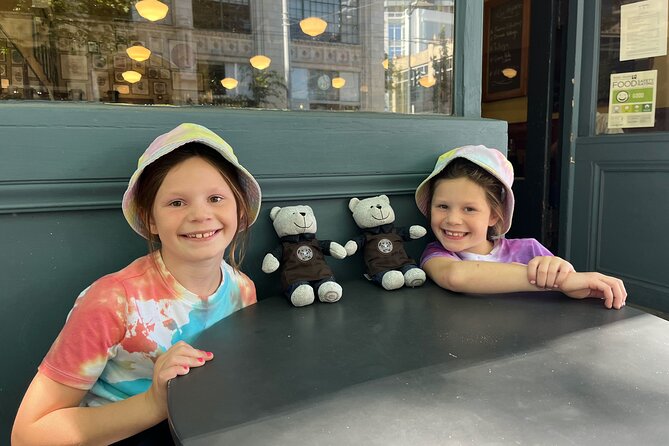
DeLaurenti offers a different kind of tasting. Instead of focusing only on one maker, you choose from a wide selection of chocolate bars from around the world with help from your guide.
The sample menu lists 55 percent Belgian baker’s chocolate and 85 percent dark chocolate from New Zealand. The guide may also use the selection to compare cocoa percentages, countries of origin, and the effect of roasting and processing.
This stop is valuable if you want to continue exploring chocolate after the tour. You can ask questions about bars you might buy for yourself or take home. It also gives the guide a chance to respond to the group’s tastes rather than forcing everyone into one fixed sample.
There is one clear limitation. DeLaurenti is a shop, not necessarily a place where the chocolate was made. If you expect every stop to feature handmade goods produced on the premises, this part may feel less special. If you like comparing international bars, it is a useful addition.
Finishing with local truffles at SELEUŠS
The final stop is SELEUŠS Chocolates, where the emphasis returns to local truffle making. The tastings can include chocolate combined with honey, fruit, tea, and alcohol.
This is a satisfying finish because it brings together many ideas from the walk. You have seen chocolate used in pastries and drinks, tasted different cocoa origins, and now sample small, carefully flavored confections.
The tour ends at 1910 1st Avenue, so you can continue shopping for gifts or make your way to another downtown stop. The end point is practical for anyone hoping to take chocolate home, though you should allow time for purchases if you have another booking.
One warning: a last stop has occasionally been closed or unavailable, forcing a change in plans. The tour can substitute treats, but do not count on every listed shop operating exactly as scheduled.
How much chocolate do you actually taste?
The experience advertises 12 individual samples, although the number and selection can vary. The full spread may include:
- Triple coconut cream pie
- Sea-salted brownie
- Champurrado
- Mexican dark chocolate
- Copenhagen Cocoa
- Belgian baker’s chocolate
- Venezuelan fudge
- White chocolate marzipan
- New Zealand dark chocolate
- Truffles
- Cookies, doughnuts, gelato, or other sweets depending on the route
This is enough food for many people to feel satisfied by the end. It is not a replacement for lunch, and the samples are not all pure chocolate. That is important when judging the $85 price.
I think the tour works best for people who enjoy variety. You will get more from it if you want to compare textures, origins, and preparations. If your idea of a chocolate tour means a dozen artisan truffles from one maker, this may feel too broad.
Dietary accommodations can be arranged, but you should raise concerns when booking. The available food changes by stop, so the guide needs notice to plan suitable alternatives.
Guides make or break the experience
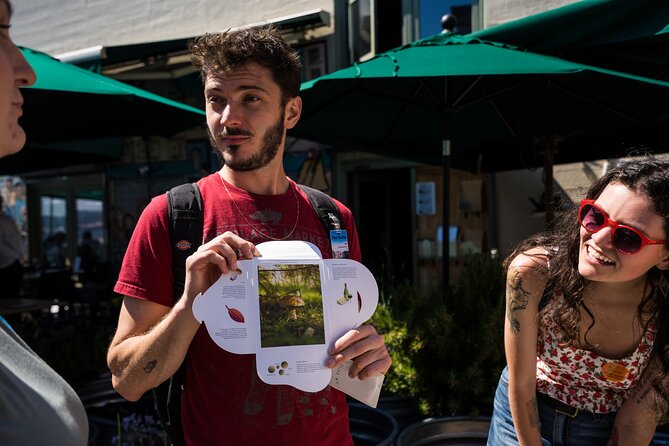
The strongest part of the tour is the guide. Ivy has been especially effective at explaining cacao, Seattle, Pike Place Market, and flavor pairing while keeping children and adults involved. Ben has also been praised for combining market history with chocolate facts and engaging younger members of a family.
Will uses analogies to explain how flavors develop, while Maia and Jade have also led enjoyable outings. These personal touches matter because the route itself is a series of short stops. A guide turns those stops into a connected story.
The quality can vary, as it can on any small-group tour. One participant had a poor experience because the guide did not introduce herself clearly, much of the walking produced little chocolate, and some businesses were visited only from outside. That is a useful warning, especially if you are paying mainly for tastings rather than sightseeing.
The good news is that the overall rating is 4.8 from 216 ratings, with 95 percent recommending the experience. I would read that as strong evidence of a usually solid tour, not a promise that every departure will be identical.
Is $85 a fair price?
At $85 per person, this is not a bargain snack crawl. Seattle food prices are high, and the fee covers about two hours of guided walking, multiple tastings, and a small group capped at 12.
I think the price is reasonable if you value three things:
- A guide who can explain cacao and Seattle
- A planned route through Pike Place Market and nearby food stops
- Enough samples to compare bakery chocolate, drinks, bars, fudge, marzipan, caramel, and truffles
The value is weaker if you mainly want to buy chocolate. You could visit a market shop and select bars yourself for less money. The tour earns its price through interpretation, pacing, and access to a range of tastes in one outing.
Book it early if the date matters. It averages 34 days of advance booking, which suggests that popular times can fill. Free cancellation is available up to 24 hours before the start time. Changes or cancellations inside that window are not refunded.
Who should book this tour?
I would recommend it to couples, solo visitors, families with older children, and anyone who wants an edible introduction to central Seattle. It is also a good first-day activity if you want a guide to help you understand Pike Place Market.
Children can enjoy it, especially when the guide uses simple flavor comparisons and invites them to try new combinations. The group format also works well for solo visitors, since the tastings give everyone an easy subject to discuss.
You should think twice if you have limited walking ability, a strict schedule, or little interest in pastries and drinks. Service animals are allowed, the route is near public transportation, and most people can participate, but the walk remains the key physical demand.
Should you book the Seattle Chocolate Tour?
Book it if you want a guided tasting walk with Seattle context, not a chocolate factory visit. The best parts are the variety, the small group, the Pike Place Market setting, and guides such as Ivy, Ben, and Will who bring the food to life.
Skip it if you want only handmade chocolate from local producers or if you dislike walking between stops. At $85, the tour is worth it for curious eaters who want a well-organized sampler and city orientation. It is less useful for someone who would rather spend the same money choosing their own bars and pastries.
FAQ
How long is the Seattle Chocolate Tour?
The scheduled duration is approximately 2 hours and 15 minutes. Some outings have lasted closer to three hours, so allow extra time before your next activity.
How much does the tour cost?
The price is $85 per person.
Where does the tour start?
It starts at Dahlia Bakery, 2001 4th Avenue, Seattle, Washington 98121.
Where does the tour end?
The tour ends at SELEUŠS Chocolates, 1910 1st Avenue, Seattle, Washington 98101.
How many chocolate samples are included?
The experience includes 12 individual chocolate samples, though the exact items and stops can change.
Is the tour only about pure chocolate?
No. Tastings can include baked goods, hot chocolate, champurrado, international chocolate bars, fudge, marzipan, caramel, and truffles.
Is the tour offered in English?
Yes. The tour is offered in English.
Can dietary concerns be accommodated?
Yes. Accommodations can be made for dietary concerns. You should provide details when booking so suitable choices can be arranged.
What is the cancellation policy?
You can cancel up to 24 hours before the start time for a full refund. Cancellations or changes made less than 24 hours before the experience are not accepted or refunded.
Just added around Seattle
- Native Culture – Suquamish and Chief Seattle★ 5.0 · 3 reviews
- Break It and Make It: A Glass Fusing Session in Everett★ 4.5 · 3 reviews
- Bainbridge Island Discovery and Wine Tour★ 5.0 · 3 reviews
- Seattle: Twilight Tour and Olympic National Park★ 5.0 · 3 reviews
- Beaches, Bites and Bavaria in Leavenworth: A Self-Guided Audio Tour★ 3.5 · 3 reviews
- Seattle: Lake Union Happy Hour Cruise★ 3.7 · 3 reviews
- Seattle: Lake Union Kayak Tour – Small Groups, Big Views★ 5.0 · 3 reviews
- Sail Bainbridge Island & Seattle Waters – Classic Sailboat★ 5.0 · 3 reviews
Food Tours, compared.
Seattle Delicious Donut Adventure & Walking Food Tour
Read our review →
The Original Food and Culture Tour of Pike Place Market
Read our review →
Meet the Market- Food and Fun tour in Pike Place Market
Read our review →
Savor the Sea: Guided Seafood Tasting at Pike Place Ma
Read our review →
Browse the lists this tour appears in