
Reviewed · OLYMPIC NATIONAL PARK TOURS
Olympic National Park Self-Guided Driving Audio Tour
Olympic National Park is too large for a neat little loop, and that is exactly why this GPS-guided audio tour can help. As you drive from Port Angeles toward the Elwha Valley, Lake Crescent, and Sol Duc, stories begin near points of interest without a guide or timetable. The park’s waterfalls, old forests, mountain roads, and coastal routes feel much easier to organize when someone is feeding you context as you go.
I like the $16.99 per-car price, especially for a family of four, and I like the freedom to stop for photos, skip a trail, or spread the tour over several days. The strongest feature is the professional narration paired with automatic playback. The main caution is that the advertised route combines the core drive with bonus sections, so seeing everything can take far longer than five or six hours.
In This Review
- Key points to know before you go
- What this Olympic audio tour actually covers
- Starting at the Olympic National Park Visitor Center
- Madison Falls and the Elwha River
- Glines Canyon Dam Overlook and the Elwha story
- Lake Sutherland, Lake Crescent, and Marymere Falls
- Sol Duc Valley and the stated endpoint
- The bonus routes require a separate day plan
- How the app performs in real use
- Is $16.99 a good value?
- Who should book this experience?
- FAQ
- How much does the Olympic National Park audio tour cost?
- How long does the main tour take?
- Where does the tour begin and end?
- Does anyone meet me at the starting point?
- Does the tour work without cell service?
- Can I use the tour with Apple CarPlay?
- Can I pause the tour or use it on another day?
- Should you book it?
Key points to know before you go
- The main route covers more than 43 miles and includes over 33 audio stories, with about two to three hours of recorded content.
- The Elwha Valley and Lake Crescent form the clearest core experience, with Madison Falls, dam viewpoints, and forest roads along the way.
- Extra routes reach Hurricane Ridge, the Hoh Rain Forest, Rialto Beach, Ruby Beach, Forks, and La Push, but these are not quick add-ons.
- The app must be downloaded in strong Wi-Fi or cellular service before entering remote areas.
- The tour costs $16.99 for up to four people, not $16.99 per person, while the national park pass costs extra.
- CarPlay has caused problems for some users, so Bluetooth, USB, or AUX connection is the safer choice.
What this Olympic audio tour actually covers
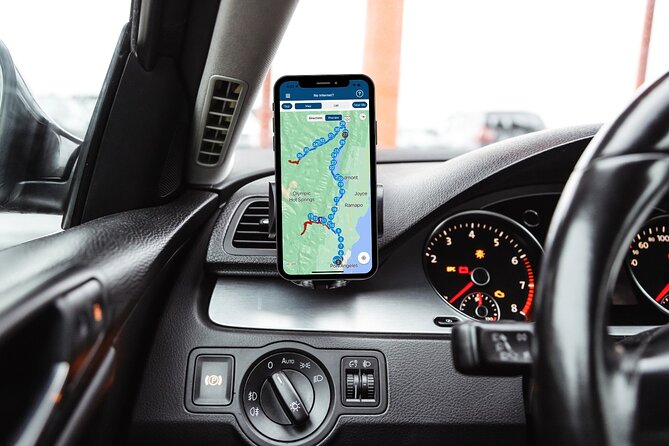
This experience is a private, self-guided drive from the Olympic National Park Visitor Center near Port Angeles toward Sol Duc. You download Action’s Tour Guide app, enter the password sent by email and text, and begin at the first GPS point. No guide meets you, and no staff member at the park needs to know about your booking.
The core route is described as roughly 43 miles, with more than 33 stories and about two to three hours of audio. The full collection also includes bonus sections for major areas around the peninsula. These reach Hurricane Ridge, the Hoh Rain Forest, Rialto Beach, Ruby Beach, Forks, and other points along the west side.
That distinction matters. The five to six hour estimate works for a focused outing that includes driving, short stops, and perhaps one bonus area. It does not describe a full Olympic Peninsula circuit. One particularly ambitious day can turn into a 13-hour car ride if you try to connect the north side, Hurricane Ridge, the rain forest, and the Pacific coast.
I would treat this as a flexible collection of routes, not one compact park tour. Pick a section that matches your day, then return to the app later for the rest. The access does not expire, so you can use it on another visit or pause it for a hike, meal, or side trip.
More Olympic National Park days from Port Angeles:
- Hoh Rain Forest and Rialto Beach Guided Tour in Olympic National Park
★ 5.0 · 155 reviews - Sol Duc, Lake Crescent, and Hurricane Ridge Guided Tour in Olympic National Park
★ 5.0 · 75 reviews - Electric Bike Ride on the Olympic Discovery Trail
★ 5.0 · 57 reviews
Starting at the Olympic National Park Visitor Center

The tour begins at the Olympic National Park Visitor Center, at 3002 Mount Angeles Road in Port Angeles. This is a sensible starting point because it gives you a chance to get oriented before heading west into the park.
The opening material introduces Olympic National Park’s four broad regions: the Pacific coastline, alpine country, wet western forest, and drier forests on the eastern side. It also explains the park’s three main ecosystems, from subalpine meadows to temperate forest and rugged shore.
That overview is useful because Olympic can feel like several parks stitched together. You might begin among town roads and low forest, pass through river country, reach a lake surrounded by trees, and later find yourself in alpine country or beside ocean stacks. The audio helps connect those changes.
Give yourself time to check the app before leaving Port Angeles. Search your email and text messages for the setup instructions, download the separate Action app, and save the tour while you have reliable service. The park includes areas with faint or nonexistent cellular coverage, so do not wait until you reach a remote trailhead.
Madison Falls and the Elwha River
Madison Creek Falls is one of the easiest stops on the route. The paved path to the waterfall is less than 100 meters and wheelchair accessible. The falls drop about 50 feet in a light horsetail-shaped flow, with another higher fall above that cannot be reached.
The suggested stop time is 30 minutes, though the walk itself is short. That leaves time for pictures and a little listening without turning the stop into a major hike. If you want a quick natural feature early in the day, this is a good one.
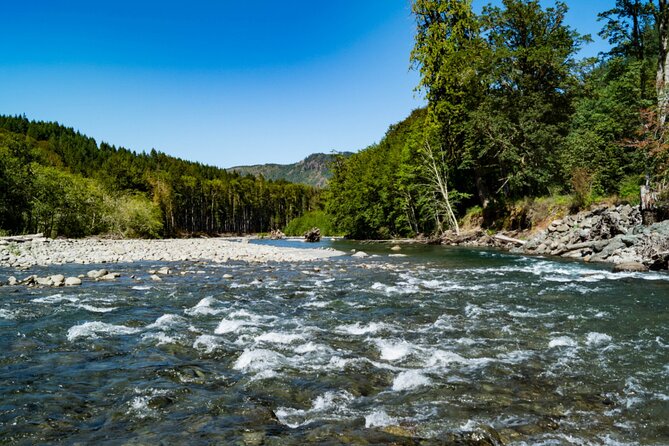
The Elwha River receives a longer stop, about 45 minutes. It flows for roughly 45 miles from the Olympic Mountains north to the Strait of Juan de Fuca, with much of its course inside the park. The route uses the river to explain the area’s setting and its changing relationship with dams, forests, and water.
I like this part of the drive because the audio has something real to point toward. You are not just listening to general park facts while watching the road. You are moving through a river valley with a clear sense of how water shapes the area.
Glines Canyon Dam Overlook and the Elwha story
The eastside overlook at Glines Canyon Dam is one of the more distinctive stops. The 210-foot concrete arch dam was built in 1927 on the Elwha River. The tour uses the site to add engineering and environmental context to the drive.
Allow about 45 minutes here. The value is less about a long walk and more about understanding what you are seeing. A dam in a national park raises immediate questions about power, river access, salmon, and restoration. The audio gives the stop a larger purpose than a quick scenic pause.
This is also a place where GPS guidance matters. The app is intended to begin stories automatically as you approach points, but you should still watch for the actual pullout and follow all posted road signs. Some audio content may begin near a stop without making the stopping place obvious. Keep your speed sensible and do not handle the phone while driving.
More self-guided audio tours in Port Angeles:
- Olympic National Park Self-Guided Audio Tour
★ 4.5 · 7 reviews - Seattle Downtown Quest: Self-Guided History Adventure
★ 4.0 · 26 reviews - Self-Guided Audio Driving Tour in Olympic National Park
★ 4.5 · 11 reviews - Uncover Seattle: Self-Guided Audio Tour
★ 3.5 · 7 reviews
Lake Sutherland, Lake Crescent, and Marymere Falls
Lake Sutherland sits about 17 miles west of Port Angeles, just east of Lake Crescent. The suggested stop is about 50 minutes, making it one of the longer pauses on the northern route. The lake drains through Indian Creek into the Elwha River, a detail that helps tie the separate stops together.
Lake Crescent is the bigger scenic draw. This deep lake lies entirely within Olympic National Park beside U.S. Route 101, about 17 miles west of Port Angeles. Its location makes it an easy place to break up the drive, though the full experience depends on how much time you have for walks and viewpoints.
Nearby Marymere Falls offers a short stop of about 15 minutes in the stated schedule. That is a tight allowance if you plan to walk far, so check your timing before setting out. The route gives you the location and story, but it does not replace a careful look at trail conditions or the time required for your own outing.
Meldrim Point follows as another short stop. It is listed as a cape near Lake Crescent, with about 15 minutes suggested. Short audio stops like this work best as part of the drive rather than as major destinations. If you are trying to finish the core route in one morning, they add variety without requiring a long break.
Sol Duc Valley and the stated endpoint
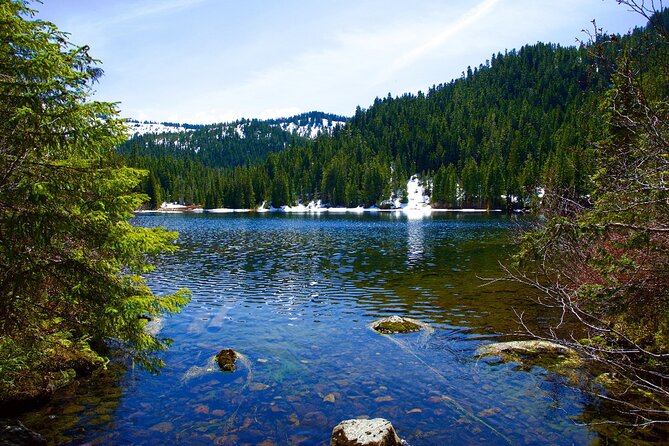
Sol Duc Valley is in the park’s northwest region and is the stated endpoint at Sol Duc Trailhead on Sol Duc Road. Only about 15 minutes is assigned to the audio stop, but the valley can serve as a useful base for more time outdoors if your plans allow.
The tour’s directions are designed to be hands-free. Once you reach the first story point and start the route, the next stories should play as you approach them. You can pause the program, take a side trip, or skip material that does not interest you.
The route works best if you begin at the designated starting point and follow the intended direction. Starting elsewhere, skipping an early section, or selecting a different route can make it harder to trigger later audio. This was a practical problem for one user who could not start the Hoh section after skipping Sol Duc. The app may offer several tour versions, so choose the one that matches your starting point and direction.
The bonus routes require a separate day plan
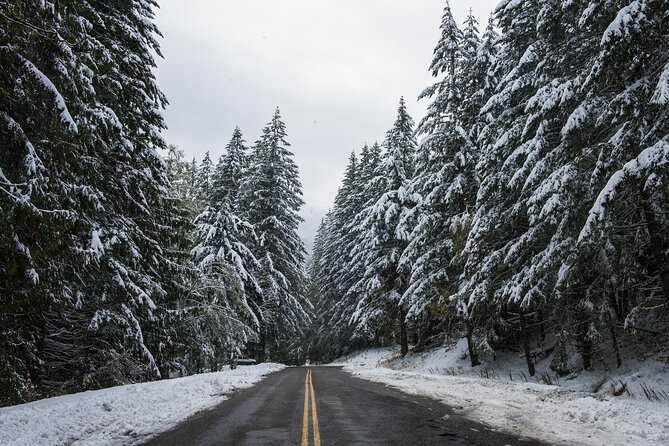
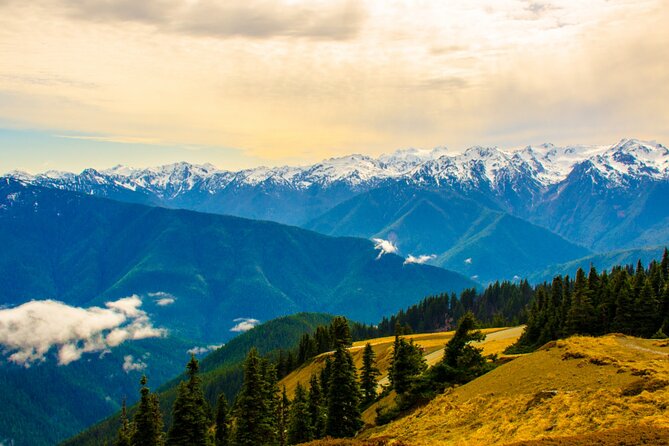
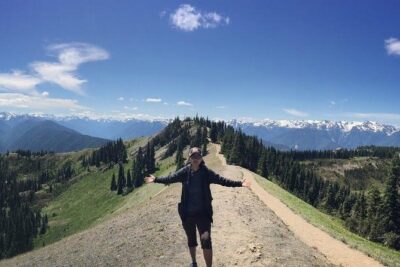
The extra content is attractive, but it changes the scale of the experience. Hurricane Ridge is a mountainous area with alpine views, wildlife, wildflowers, and short hikes. The bonus material includes several walking suggestions, including an energetic hike with broad views and a shorter family-friendly alpine walk.
I would not treat Hurricane Ridge as a quick stop tacked onto a west-side rainforest day. It is a separate outing with its own road, weather concerns, and walking time. The drive itself can be the main event, especially if you want to stop at viewpoints.
The Hoh Rain Forest is another major addition. It occupies a 24-mile low-elevation forest corridor along the Hoh River, shaped by glaciers and known as one of the largest temperate rainforests in the United States. The audio can add useful background while you travel, but you should allow real time to walk among the mossy trees rather than treating the area as a drive-by.
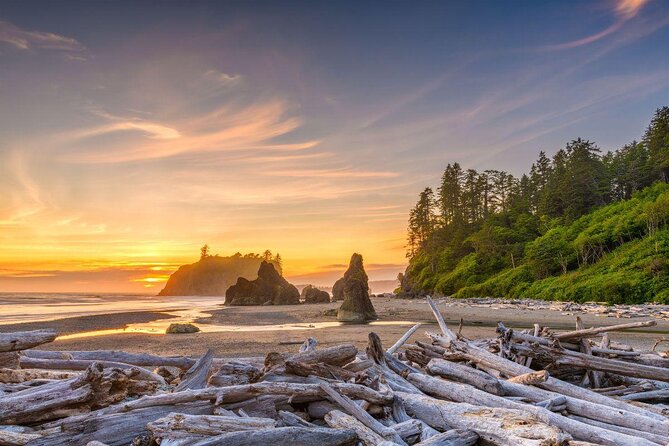
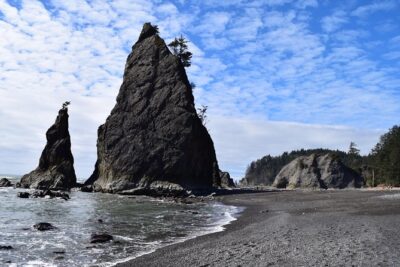
Rialto Beach and Ruby Beach bring a different mood. Rialto is a Pacific beach, while Ruby Beach is known for heavy driftwood and numerous sea stacks. These coastal stops are valuable because they show how sharply Olympic changes from inland forest and mountain country to open ocean.
Forks adds a local forestry stop at the Forks Timber Museum. Bogachiel State Park lies four miles south of Forks along Highway 101 on the Bogachiel River. These sections may suit you if you are already driving the western side of the peninsula, but they are not close enough to the core Port Angeles route to assume you can fit them in casually.
The supplied route material also includes La Poel, described only as a name that may refer to a hamlet, park, cultural landmark, or another place. I would regard that section as extra content rather than a central reason to book.
How the app performs in real use
The best part of the technology is its simplicity once setup is complete. Stories can begin automatically as you approach points of interest, so you can keep both hands available for driving. One successful setup used the phone’s downloaded content before leaving home and had no trouble when cell service became weak.
The weak point is also the technology. Several people had trouble getting audio to play, and some found the stopping points unclear. CarPlay is not fully supported, despite compatibility claims that may make it sound more polished than it is. The safest plan is to connect your phone to the car stereo through Bluetooth, USB, or AUX, and test the sound before leaving town.
Use an iPhone with iOS 15 or later, an Android device with version 9 or later, or an iPad or tablet with GPS and cellular capability. Apple CarPlay may work inconsistently, and Android Auto support is still being developed. If you have no audio at a test stop, contact support before you reach the remote part of the park.
The narration itself is pleasant and professional, and the audio usually aims for short, manageable stories. That suits a scenic drive. Still, the content may feel thin if you want detailed geology, long historical explanations, or the sort of questions a live guide can answer on the spot.
Some stops include Learn More sections. I recommend checking those before your trip and saving time for them if you want more background. The main playback may give you just enough to understand a stop, while the extra material supplies more detail.
Is $16.99 a good value?
At $16.99 for a group of up to four, the price is the tour’s strongest selling point. A family can use one purchase in the car, making the per-person cost very low. The access is described as lifetime with no expiry, and you can use it on multiple trips.
You still need to buy the Olympic National Park pass separately. That is not a minor detail, since the audio purchase does not cover entry. You also need your own vehicle and must manage fuel, food, parking, trail time, and any other park costs.
Compared with a private live guide, this is a bargain. You get freedom to stop and start, no fixed departure, and no need to keep pace with another group. Compared with a free park app, the paid product’s main advantage is the narrated storytelling and automatic location-based playback, not access to the park itself.
The value drops if you expect a fully detailed guide or flawless CarPlay performance. At this price, I see it as a helpful audio companion, not a substitute for park maps, trail information, or a human guide.
Who should book this experience?
I would recommend it to families and couples who want background information without paying hundreds of dollars for a private guide. It is also a good fit if you prefer to choose your own stops, take breaks, and listen only when you feel like it.
It suits a first visit focused on the Port Angeles side, Elwha Valley, Lake Crescent, and Sol Duc. It can also work well for repeat visits because you can return to the bonus routes later without buying another tour.
I would be cautious if you are planning a packed one-day circuit of the entire peninsula. The route collection covers too much ground for the five to six hour estimate to apply to every listed stop. I would also skip it if you dislike troubleshooting phone connections or if you want dense, expert-level commentary at every point.
FAQ
How much does the Olympic National Park audio tour cost?
The tour costs $16.99 per group of up to four people. A separate park pass is required and is not included.
How long does the main tour take?
The main route is described as more than 43 miles, with over 33 audio stories and about two to three hours of audio. With driving and stops, the experience is generally planned for about five to six hours.
Where does the tour begin and end?
It begins at the Olympic National Park Visitor Center at 3002 Mount Angeles Road in Port Angeles. The stated endpoint is Sol Duc Trailhead on Sol Duc Road.
Does anyone meet me at the starting point?
No. This is a self-guided activity. You start the app at the designated point, and the audio begins through GPS as you reach the first story.
Does the tour work without cell service?
Yes, if you download the tour in strong Wi-Fi or cellular service before entering remote areas. The app is intended to work offline after the content has been downloaded.
Can I use the tour with Apple CarPlay?
Audio playback is compatible with Apple CarPlay, but full CarPlay support is not yet available and some users have had trouble. Bluetooth, USB, or AUX connection to the car stereo is the safer option.
Can I pause the tour or use it on another day?
Yes. The tour can be started, paused, and resumed at your own pace. It is described as lifetime access with no expiry, so you can use it on another trip.
Should you book it?
Book this tour if you want a low-cost audio companion for a self-planned drive through the Elwha Valley, Lake Crescent, and Sol Duc. Download it at home, use Bluetooth or USB instead of relying on CarPlay, and choose one bonus route rather than trying to conquer the entire peninsula in a day.
Skip it if you expect a live guide’s depth, exact roadside directions at every stop, or a single short loop that includes Hurricane Ridge, the Hoh Rain Forest, and the Pacific coast. Used with realistic expectations, it adds useful stories and easy pacing to an already spectacular park visit.
More National Park Trips from Port Angeles
- Half Day Guided Tour of Olympic National Park
★ 5.0 · 35 reviews - Rainforest and Olympic National Park Highlights
★ 5.0 · 28 reviews - Hurricane Ridge Guided Snowshoe Tour in Olympic National Park
★ 5.0 · 19 reviews - Olympic National Park: Half-Day Tour
★ 5.0 · 5 reviews
Just added around Port Angeles
- 6-Day Backpacking Summer Camp Adventure in Olympic National Park★ 5.0 · 3 reviews
- Mount Rainier Full Day Private Tour and Hike★ 5.0 · 3 reviews
- Olympic National Park: Half-Day Tour★ 5.0 · 5 reviews
- Sailing Charter★ 5.0 · 5 reviews
- Olympic Full Day Private Tour & Hike★ 5.0 · 11 reviews
- Hurricane Ridge Guided Snowshoe Tour in Olympic National Park★ 5.0 · 19 reviews
- Rainforest and Olympic National Park Highlights★ 5.0 · 28 reviews
- Half Day Guided Tour of Olympic National Park★ 5.0 · 35 reviews
Olympic National Park Tours, compared.
Best of Olympic National Park from Seattle: All-Inclusive Small-Group Day Tour
Read our review →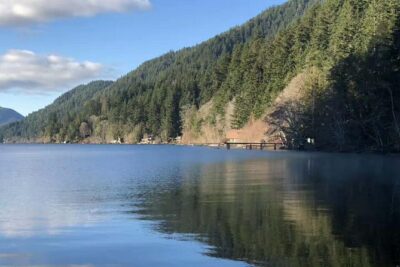
Olympic National Park Small Group Day Tour w/Scenic Ferry 2CanGo
Read our review →
Hoh Rain Forest and Rialto Beach Guided Tour in Olympic National Park
Read our review →
Small Group: Olympic National Park Day Tour From Seattle
Read our review →
Sol Duc, Lake Crescent, and Hurricane Ridge Guided Tour in Olympic National Park
Read our review →
Electric Bike Ride on the Olympic Discovery Trail
Read our review →Browse the lists this tour appears in