
Reviewed · COOKING & CRAFT CLASSES
Hands on Sushi Rolls class
Making sushi is far more satisfying when you do the rolling yourself. At Prune Kitchen Seattle, chef Fumiko leads a small, relaxed class where you help choose ingredients, prepare several rolls, and sit down to eat what you made. The local market visit gives the lesson a useful connection to Seattle’s food scene.
I especially like the hands-on format and Fumiko’s patient teaching. You are not simply watching a demonstration. You make smoked salmon rolls, cucumber rolls, and a larger roll filled with vegetables, cream cheese, and fish. The small group, capped at eight people, also means room for questions.
The main drawback is the walk to the market. Depending on the route, it can be close to two miles round trip, so comfortable shoes matter. The meeting spot is also somewhat out of the way, and you should allow extra time to arrive.
In This Review
- Key points to know before you book
- A Seattle sushi class with real work at the counter
- The market walk adds a local touch
- What you make at Prune Kitchen
- Fumiko’s teaching style suits beginners
- The meal is part of the lesson
- Is $125 a fair price?
- Who will enjoy this experience most?
- Timing, clothing, and arrival advice
- Cancellation and practical limits
- Should you book the Hands on Sushi Rolls class?
- FAQ
- Where does the sushi class begin?
- Where does the activity end?
- How long does the experience last?
- How many people can join the class?
- What food is included?
- Is a recipe provided?
- Is the class suitable for children?
- What is the cancellation policy?
Key points to know before you book
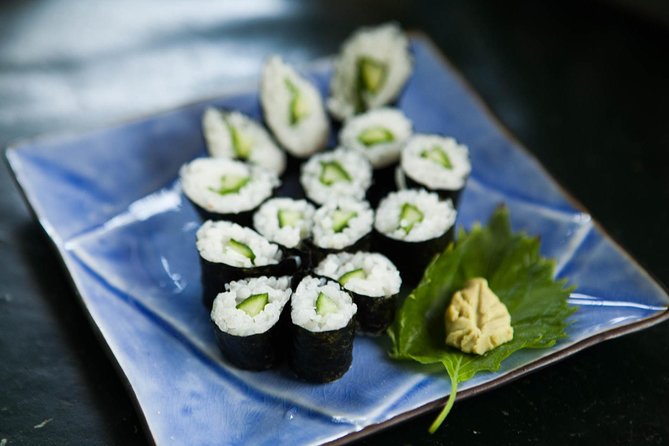
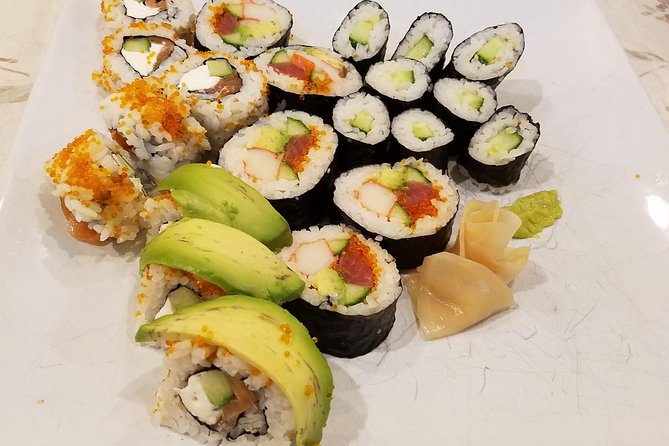
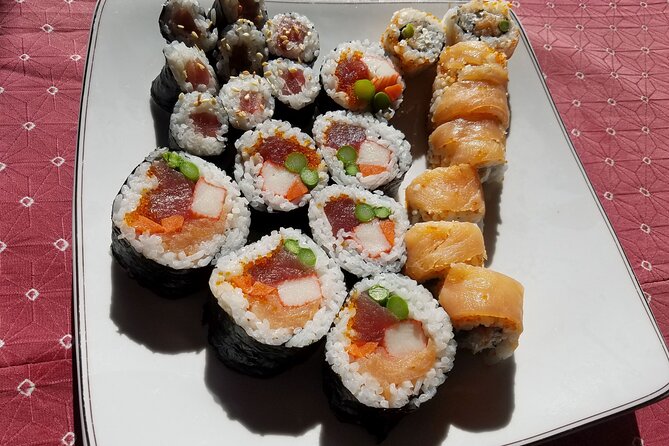
- Three types of sushi: Prepare smoked salmon rolls, cucumber rolls, and a larger vegetable, cream cheese, and fish roll.
- Fumiko teaches the class: Her calm, clear instruction suits beginners and helps you build confidence for making sushi at home.
- Market visit included: You select ingredients at a local market before returning to the kitchen.
- Meal included: Eat the sushi you make, along with miso soup and green tea.
- Small group of up to eight: You get more direct help than in a large cooking demonstration.
- Plan for walking: The market trip can add nearly two miles on foot, and the meeting point may take extra time to reach.
A Seattle sushi class with real work at the counter
This is not a polished restaurant show where you sit back and watch a chef work. You arrive at Prune Kitchen Seattle and take part in the process from the start. The lesson is built around basic sushi-making skills, so you can expect to handle the ingredients, prepare the rice and fillings, and shape the rolls yourself.
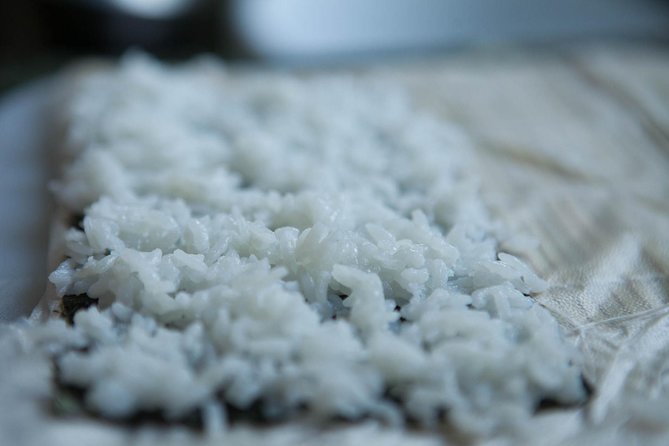
That matters because sushi can look simple until you try to make it. Rice that is too loose, too wet, or packed too tightly can make rolling awkward. Fumiko takes time with the fundamentals and explains each step in plain terms. Her teaching style is patient and friendly, which makes this a good fit if you have never made sushi before.
The class lasts about two hours, while the full experience runs about two and a half hours. That gives you enough time to work without feeling pushed through a quick demonstration. You also have time to ask questions and correct your technique as you go.
The maximum group size is eight. I would treat that as an important part of the experience, not a minor detail. In a class this practical, personal attention helps. You can show Fumiko your roll, ask why the rice is behaving a certain way, or get help before a filling spills out across the mat.
More cooking and craft classes in Seattle:
- Authentic Italian Cooking Class in Seattle (5-Course Meal)
★ 5.0 · 7 reviews - Private Seattle Cooking Class with a Chef in Her Home
★ 5.0 · 6 reviews - 90-Minutes of Pottery Fun
★ 5.0 · 6 reviews
The market walk adds a local touch
One of the more appealing parts of the class is the trip to a local market to select ingredients. It gives you a better sense of what goes into the meal and connects the cooking lesson to Seattle rather than making it feel like a generic classroom activity.
The market stop is also useful in a practical way. You see the ingredients before they are portioned and arranged for you. That helps you understand how the fillings are chosen and gives the meal a more direct link to what is available locally.
You should plan for a walk, though. The route to the market and back can total almost two miles, and one account describes it as easy enough but long enough to require comfortable shoes. This is not a strenuous outing, but it is more than a short stroll around the corner.
The meeting point is at Prune Kitchen Seattle, 1508 25th Ave S #3708, Seattle, Washington 98144. The cooking portion takes place there, and the activity returns to the same location. Since the spot can be a little hard to reach, give yourself extra time, especially if you are using public transportation or navigating an unfamiliar part of Seattle.
What you make at Prune Kitchen
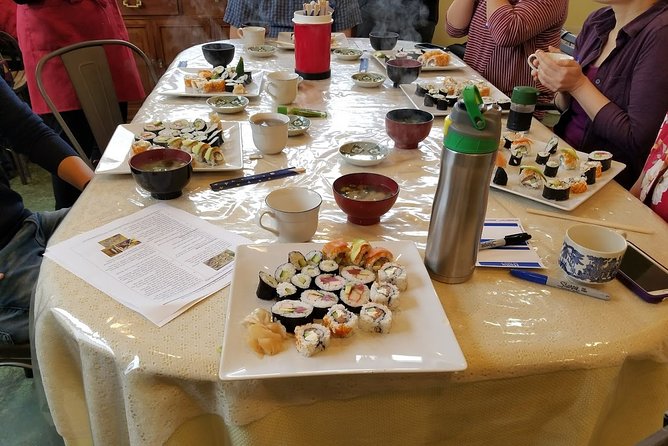
The included food gives you a good spread of basic sushi styles rather than one single roll. You prepare an eight-piece smoked salmon roll and an eight-piece cucumber roll. You also make half of a large roll, cut into four pieces, filled with vegetables, cream cheese, and fish.
That mix lets you practice more than one approach. A simple cucumber roll helps you focus on rice, nori, and even pressure. The smoked salmon roll adds a richer filling, while the larger roll requires you to manage more ingredients at once.
The portions also make this feel like a meal rather than a small sample. You are not just making one roll to photograph and leaving hungry. The sushi you create is served as your lunch or meal, with miso soup and green tea included. The supplied details also refer to dinner, so the exact meal timing may depend on the class schedule, but the food is part of the experience rather than an optional add-on.
Several parts of the class seem especially useful for home cooks. You learn how to work with the rice, how to arrange fillings, and how to roll with enough pressure to hold everything together. The lesson is aimed at basic skills, not elaborate restaurant-style presentation, which is exactly why it can be useful after you return home.
Fumiko’s teaching style suits beginners
Fumiko is the central reason this class feels personal. Her approach is calm, warm, and careful. She explains the steps clearly and takes time to show how the process works instead of assuming you already know the basics.
That patience helps if you are cooking with a child, teenager, partner, or friend who has little kitchen experience. A 17-year-old and a 19-year-old both enjoyed the class with family members, and the casual setting helped make the lesson comfortable across age groups. Children must be accompanied by an adult.
You can also expect stories and local context along the way. The market visit has included historical information about the area, giving the outing a little more character than a simple shopping trip. Fumiko’s connection to her community is part of what gives the class its personal feel.
The class is offered in English. It is a small setting, so you have a better chance to hear the instructions and get an answer when you need one. That is particularly helpful during the rolling stage, when a short correction can save a roll from falling apart.
A few more Seattle tours and experiences worth a look
- Mad Scientist Drink Fusion Lab, A Mocktail Focused Workshop
★ 4.5 · 17 reviews - Stained Glass Magic Class in Everett
★ 5.0 · 4 reviews - Seattle Hands On Cocktail Class
★ 5.0 · 4 reviews
The meal is part of the lesson
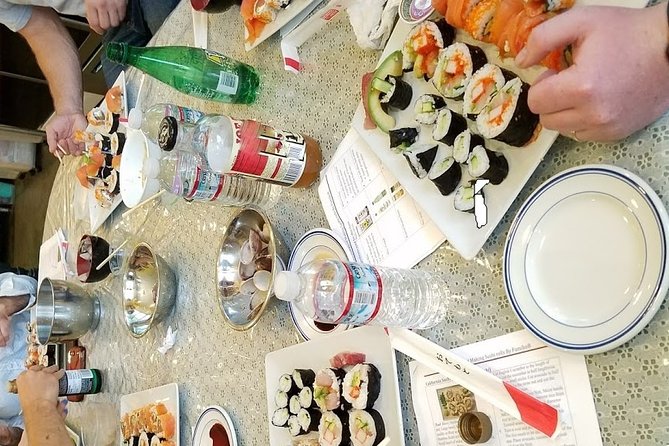
At the end, you eat the sushi you prepared. This is one of the strongest parts of the format. You can see what worked, notice how the rice and fillings fit together, and enjoy a meal that feels connected to the work you just completed.
The miso soup receives especially warm praise. It is included with the sushi, and it adds a comforting, savory element to the meal. Green tea is included as well, making the final sitting feel complete without turning the class into a formal restaurant event.
Freshness is another key part of the appeal. The ingredients are described as fresh, and the menu gives you a chance to taste several different combinations. Since the class is built around making and eating your own food, this is a better choice for people who enjoy participation than for anyone seeking a passive food tour.
Keep your expectations in the right place. You are learning basic rolls, not training for a professional sushi kitchen. That is a strength for most people. The skills are approachable, and you leave with more confidence than you would get from simply watching a chef prepare sushi.
Is $125 a fair price?
The class costs $125 per person. That is not a bargain if you compare it with the price of an ordinary sushi lunch, but that is the wrong comparison. You are paying for instruction, ingredients, the market visit, a prepared meal, miso soup, green tea, and a small-group setting.
The value is strongest if you want an activity, not just food. You spend about two and a half hours learning a skill and taking part in a meal. The recipe is included, so you have something to use later rather than leaving with only a pleasant memory.
The small group improves the value. With no more than eight people, Fumiko can give direct help, and the class does not have the feel of a crowded demonstration. If you are nervous about making sushi, that personal attention is likely worth more than a cheaper class with a much larger crowd.
The price may feel high if you do not enjoy cooking or if your main goal is to visit a Seattle market quickly. The market walk also takes time and energy that you might prefer to spend elsewhere. I would book this for the teaching and shared meal, not as the cheapest way to eat sushi.
Who will enjoy this experience most?
This class works well for couples looking for a rainy-day activity, friends who want something more active than a restaurant meal, and families with older children or teenagers. It also suits solo participants who enjoy small classes and meeting a local guide.
You do not need advanced cooking skills. The lesson is designed around the basics, and Fumiko’s patient instruction makes it approachable. A moderate level of physical fitness is recommended because of the walk to the market, but the outing is not described as strenuous.
It is also a good choice if you want to bring home a practical skill. The instruction covers the sort of sushi you can reasonably try again in your own kitchen. You may not produce perfect rolls on your first attempt, but you should understand the process better and feel more willing to practice.
I would be more cautious about booking it for very young children, anyone who dislikes walking, or people with strict dietary needs unless those needs are discussed in advance. You are asked to provide specific dietary requirements when booking, but the included menu is built around fish, cream cheese, vegetables, cucumber, smoked salmon, miso soup, and tea.
Timing, clothing, and arrival advice
Wear smart casual clothing. You are taking part in a cooking class, so comfort matters, but the stated dress code is not outdoor or athletic wear. Comfortable walking shoes are the practical choice because the market visit can add a substantial amount of walking.
The class is near public transportation, but the address is not necessarily in the most convenient part of a standard sightseeing route. Plan the journey before the day of the class and leave extra time to find Prune Kitchen Seattle.
The activity begins and ends at the same meeting point. The cooking school stop is the main part of the experience, with the market visit included as part of the food selection process. You should expect to stay with the group for the full session rather than treating the market as an optional side trip.
Confirmation is sent within 48 hours of booking, subject to availability. The experience is often reserved well ahead of time, with an average booking lead time of about 36 days. If this class fits a fixed Seattle itinerary, booking early is sensible.
Cancellation and practical limits
You can cancel up to 24 hours before the start time for a full refund. Cancellations made less than 24 hours before the activity are not refunded, and changes inside that window are not accepted. The cut-off uses Seattle local time.
The group limit is eight people, which keeps the lesson personal but also means there are fewer spaces on each date. Children must be accompanied by an adult, and the class is offered in English.
The experience has earned a 4.9 rating from 16 published ratings, with 100 percent recommending it. Those numbers point to a very consistent response, especially around the teaching, fresh ingredients, relaxed setting, and hands-on format. The sample size is still modest, so I would use the rating as a helpful signal rather than the only reason to book.
Should you book the Hands on Sushi Rolls class?
Book it if you want to do something in Seattle that combines food, instruction, and time with a local guide. Fumiko’s patient teaching, the market visit, and the chance to eat three kinds of sushi you made yourself give the class more substance than a standard cooking demonstration.
The best match is a couple, family with an older child, or small group of friends who enjoy learning by doing. Bring comfortable shoes, allow extra time to reach the meeting point, and expect to work for your meal.
Skip it if you want a quick market stop, a low-cost lunch, or a completely passive activity. At $125, the value comes from the lesson and the small group. If that is what you want, this is a personable and useful Seattle food experience.
FAQ
Where does the sushi class begin?
It begins at Prune Kitchen Seattle, located at 1508 25th Ave S #3708, Seattle, WA 98144.
Where does the activity end?
The activity ends back at the same meeting point at Prune Kitchen Seattle.
How long does the experience last?
The full activity lasts approximately two hours and 30 minutes. The cooking class itself is listed as two hours.
How many people can join the class?
The class has a maximum of eight participants.
What food is included?
The included food consists of an eight-piece smoked salmon roll, an eight-piece cucumber roll, and four pieces of a larger roll filled with vegetables, cream cheese, and fish. Miso soup and green tea are also included.
Is a recipe provided?
Yes. A recipe is included with the sushi class.
Is the class suitable for children?
Children may attend, but they must be accompanied by an adult.
What is the cancellation policy?
You can cancel at least 24 hours before the start time for a full refund. Cancellations or changes made less than 24 hours before the experience are not accepted, and the amount paid is not refunded.
Just added around Seattle
- Native Culture – Suquamish and Chief Seattle★ 5.0 · 3 reviews
- Break It and Make It: A Glass Fusing Session in Everett★ 4.5 · 3 reviews
- Bainbridge Island Discovery and Wine Tour★ 5.0 · 3 reviews
- Seattle: Twilight Tour and Olympic National Park★ 5.0 · 3 reviews
- Beaches, Bites and Bavaria in Leavenworth: A Self-Guided Audio Tour★ 3.5 · 3 reviews
- Seattle: Lake Union Happy Hour Cruise★ 3.7 · 3 reviews
- Seattle: Lake Union Kayak Tour – Small Groups, Big Views★ 5.0 · 3 reviews
- Sail Bainbridge Island & Seattle Waters – Classic Sailboat★ 5.0 · 3 reviews
Cooking & Craft Classes, compared.
Authentic Italian Cooking Class in Seattle (5-Course Meal)
Read our review →
Private Seattle Cooking Class with a Chef in Her Home
Read our review →
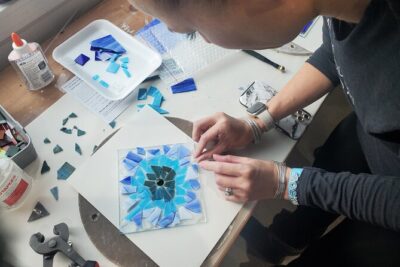
Break It and Make It: A Glass Fusing Session in Everett
Read our review →Browse the lists this tour appears in